
Last updated November 15, 2026
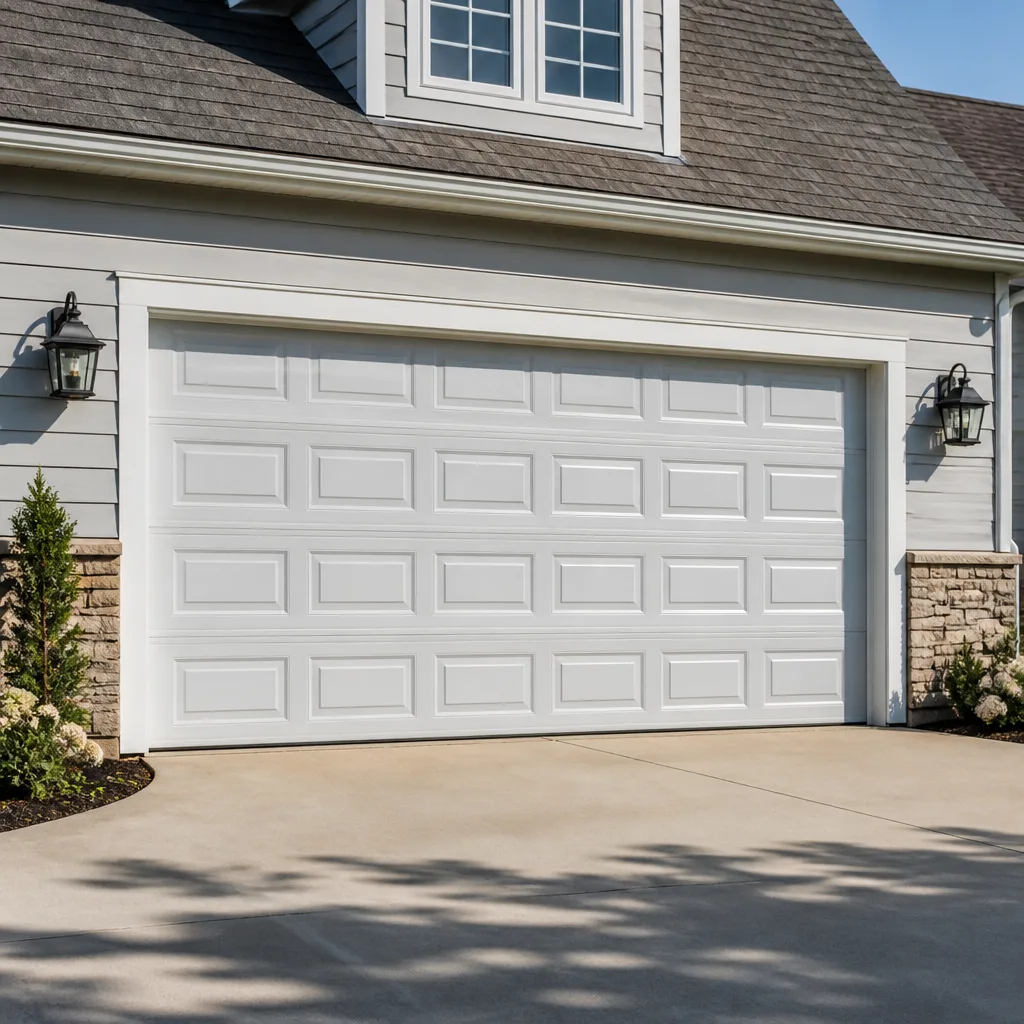 Raised-panel steel
 Carriage house
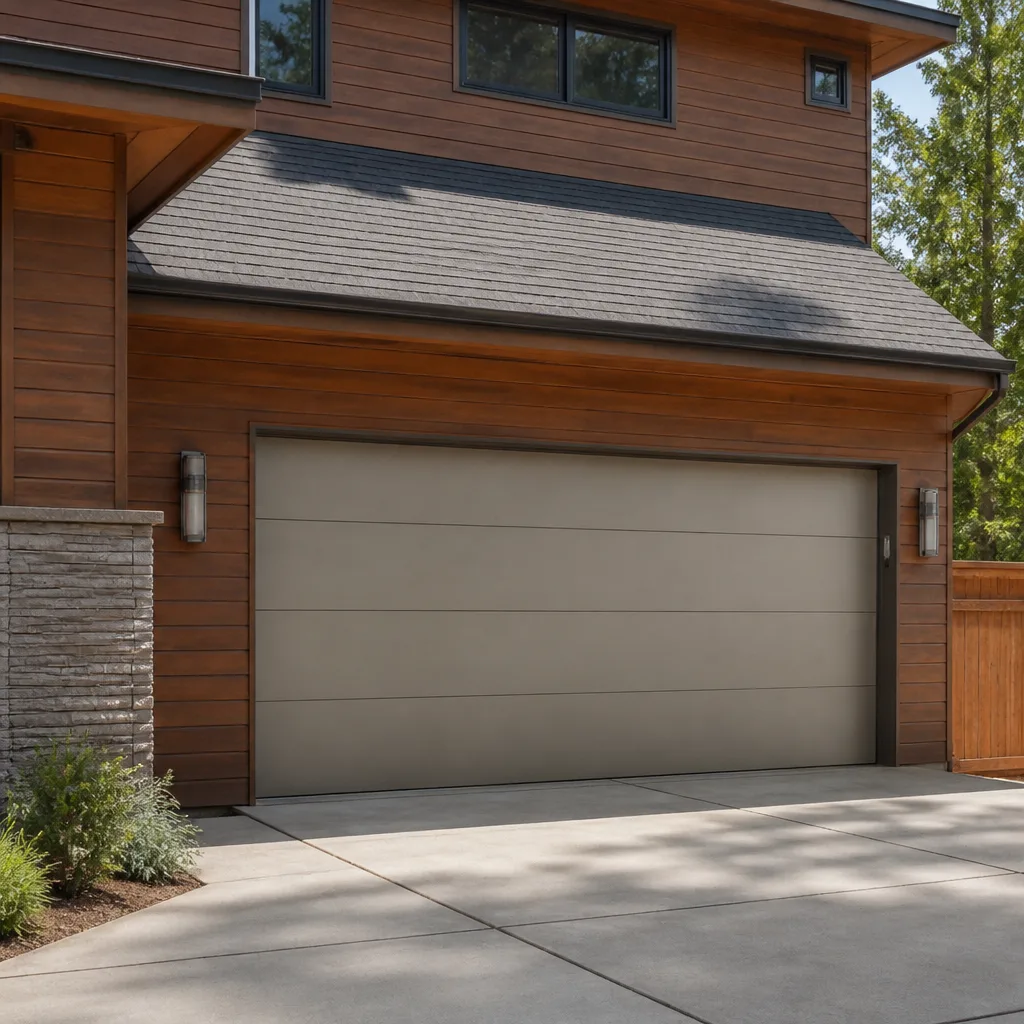 Modern flush
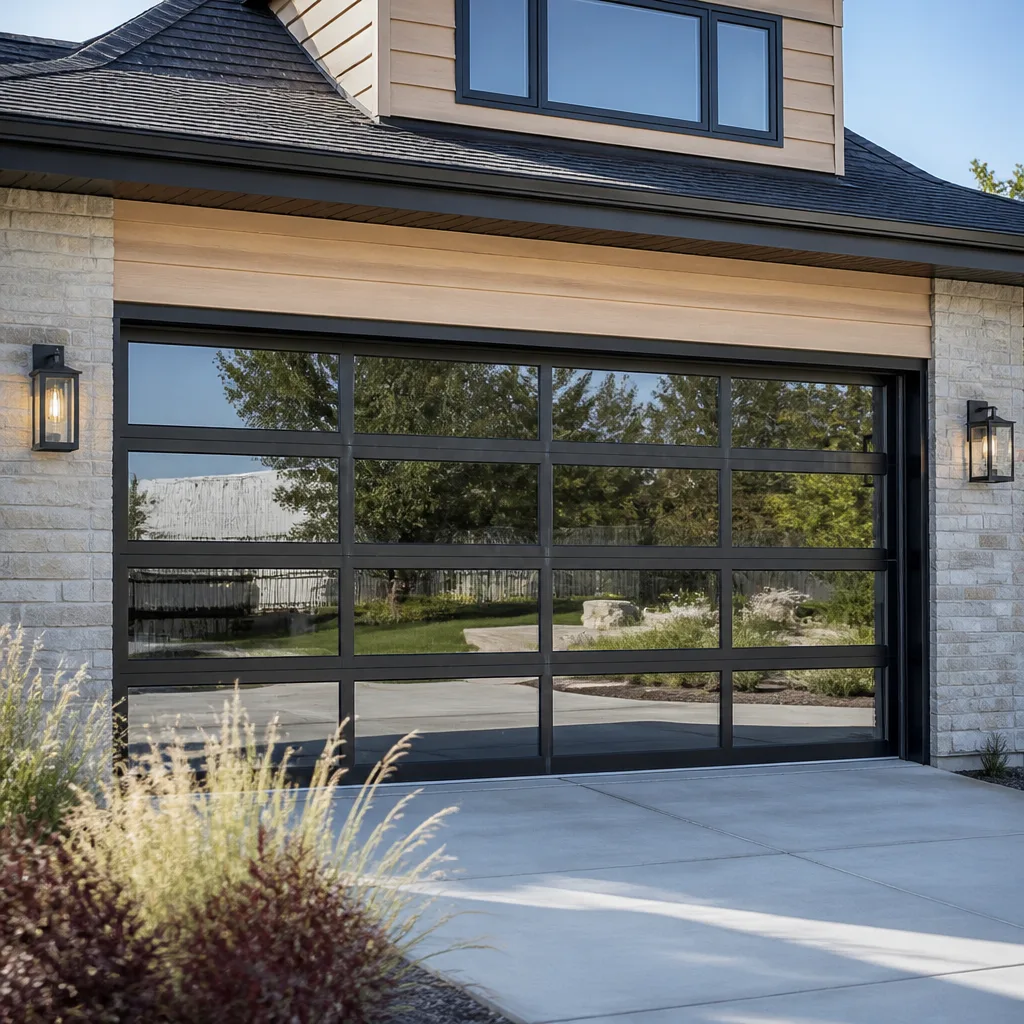 Full-view glass
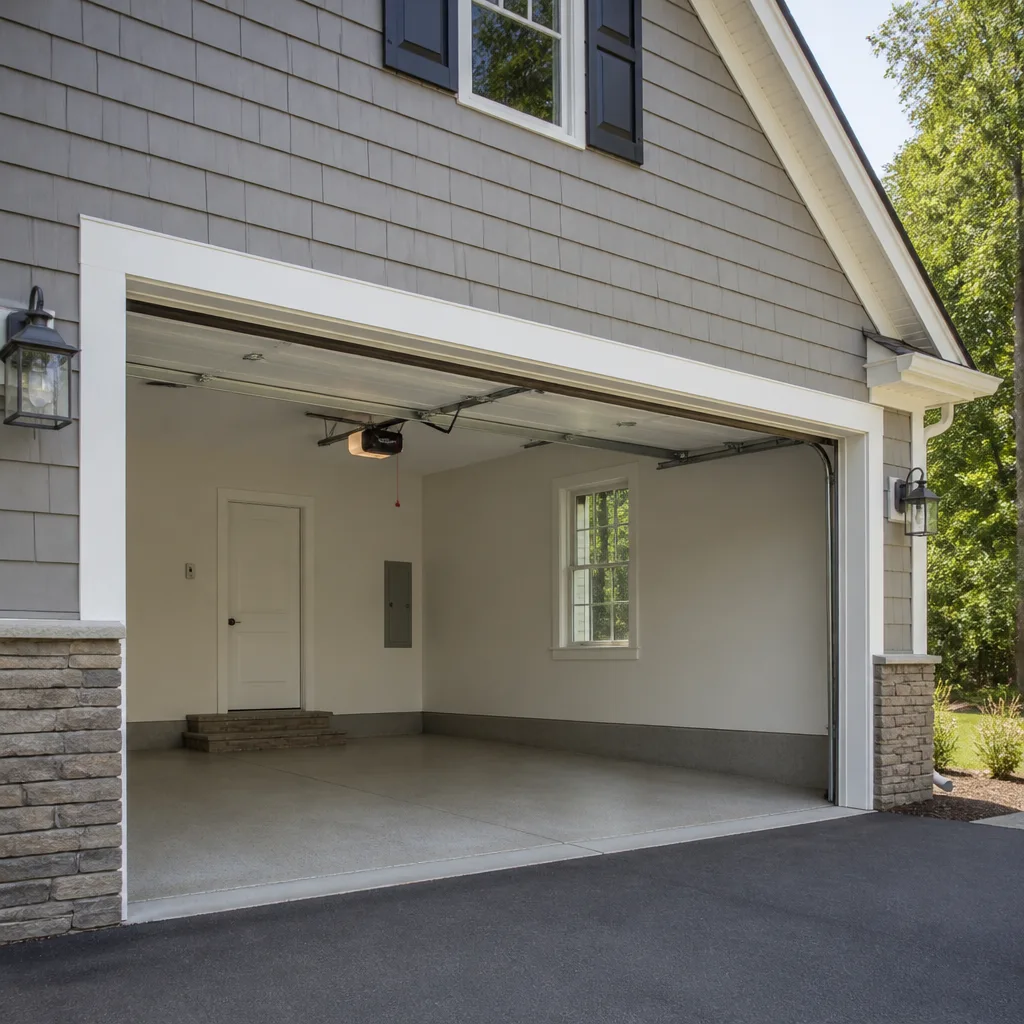 LiftMaster openers
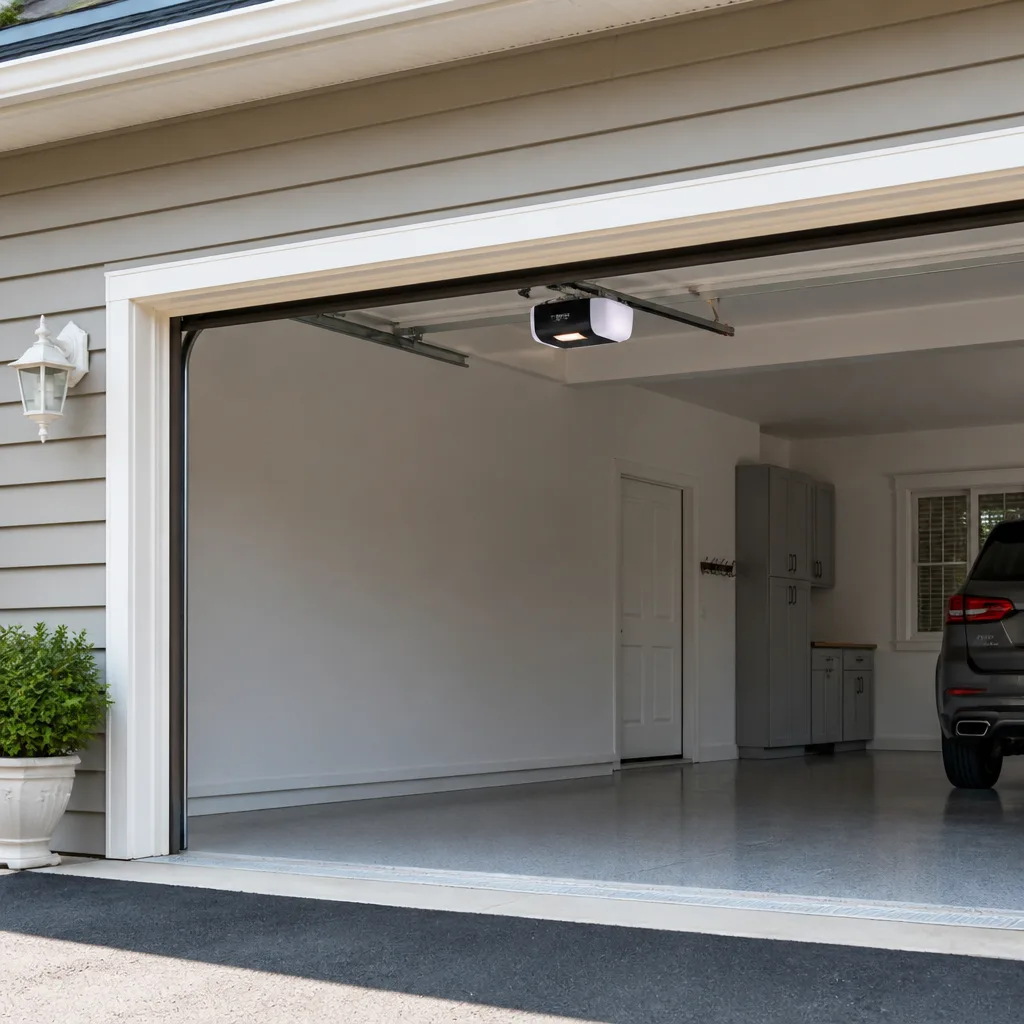 Chamberlain openers
Full 25-point door and opener safety check with every visit - springs, cables, rollers, tracks, and your LiftMaster or Chamberlain opener included
You get a price before we start. It does not change when the pro arrives.
Get your free estimateGarage Door Warning Signs: A Fayetteville Homeowner’s Reference Guide
A grinding noise and a squealing noise from the same garage door can point to two completely different problems. One is often a ten-minute lubrication fix. The other can be a torsion spring on the verge of snapping. That gap between “minor annoyance” and “stop using the door today” is where most homeowners get stuck, because the symptom you hear rarely names the part that’s failing. This reference guide connects each sound, movement, and visual cue to its most likely cause, so you can judge whether you’re looking at a small repair or a serious one before you call anyone. We’ve written it from Fayetteville, where humidity shapes garage doors in ways drier climates never see.
Styles & brands we work with
- Raised-panel steel
- Carriage house
- Modern flush
- Full-view glass
- LiftMaster openers
- Chamberlain openers
Quick Answer
The most serious garage door warning signs are a door that reverses on its own, a snapped or visibly rusted torsion spring, frayed cables, and a door that comes down unevenly or slams shut. Grinding, squealing, rattling, and minor scraping are usually wear-and-tear signals you can schedule, while popping, a sudden bang, or a door stuck halfway is a stop-use situation. When in doubt, keep the door closed until a trained technician looks at it.
Table of Contents
- How This Guide Works: Symptom to Cause
- What Each Sound Is Telling You
- Visual Warning Signs Fayetteville Homeowners Misread
- Why Rust on a Spring Is a Red Flag, Not Just Age
- Opener Behavior Diagnostics
- How Fayetteville Humidity Creates Its Own Warning Signs
- Stop-Use Signs vs. Signs You Can Wait On
- What You Can Safely Check Yourself
- Common Mistakes to Avoid
- When to Call a Professional
- Frequently Asked Questions
- The Bottom Line
How This Guide Works: Symptom to Cause
Most garage door advice hands you a checklist of things to look at. That’s less useful than it sounds, because a checklist tells you what to notice, not what it means. This guide works backward from the symptom. You start with what your door is doing, and the guide tells you which component is the likely culprit and how urgent it is.
A garage door is a balancing act. The springs carry the weight of the door, the cables connect the springs to the door, the tracks guide it, and the opener’s job is simply to nudge a well-balanced door up or down. When the balance is off, the symptom shows up somewhere else, often in the form of a grinding noise or a door that reverses for no obvious reason. Understanding that relationship is the single most useful thing a homeowner can learn.
Here’s the basic map before we go deeper:
- Grinding usually points to roller, hinge, or track wear.
- Squealing points to dry moving parts or a failing bearing.
- Popping points to a spring or cable under stress.
- Scraping points to a track or panel out of alignment.
- Rattling is loose hardware, brackets, or opener mounts.
- Banging or a single loud snap is often a failed spring.
Every one of those sound-to-cause connections is common in Fayetteville, because the mix of summer heat and humidity speeds up wear on metal parts and wood panels alike. In our experience, homeowners here tend to notice the sound long before they notice the underlying cause.
What Each Sound Is Telling You
A garage door that grinds, squeals, pops, or scrapes is usually warning you about one specific component, and matching the sound to the likely part is the fastest way to know whether you’re facing a minor fix or a serious repair. The trouble is that two sounds that sound similar can come from opposite ends of the door system.
Grinding
Grinding is the most common complaint we hear about in Fayetteville. It usually points to the rollers running against the tracks, hinges that have lost their lubrication, or tracks that have collected grit and debris. Left too long, grinding can wear the rollers down to where they stop rolling and start dragging, which transfers stress to the opener. A door that only grinds on the way up is often a roller issue. A door that grinds the whole travel can be the opener’s drive gear.
Squealing
Squealing usually comes from dry moving parts: hinges, rollers, or the torsion bar. A high-pitched squeal at the end of travel often points to a bearing in the opener or the torsion system. This is the “ten-minute fix” end of the spectrum when it’s just lubrication, which is why it pays to address squealing early rather than waiting for it to become something louder.
Popping
Popping is the one to take seriously. A single pop as the door moves can mean the torsion spring has slipped on its bar or a cable has jumped a drum. Repeated popping throughout travel can indicate a spring that’s lost tension. If you hear a pop and the door suddenly feels heavier or won’t lift, stop using it and treat it as a spring problem.
Scraping
Scraping is a contact noise, which means metal on metal or panel on track. It often points to a track that’s been bent out of alignment or a panel that’s shifted. Scraping is rarely a lubrication issue. It’s structural, and it needs the door to stop running before the panels take permanent damage.
Rattling
Rattling is often the least urgent. It usually points to loose bolts on the hinges, brackets, or the opener mount. That said, a rattling opener mount on a Fayetteville home can eventually shake the unit itself out of alignment, so it’s worth tightening rather than ignoring.
Banging or a single loud snap
That’s the classic spring failure sound. The door will feel suddenly heavy, or it won’t come up at all. If you hear it, close the door if you can and stop using the opener. A trained technician should be the one handling it from here.
Visual Warning Signs Fayetteville Homeowners Misread
Not every warning sign is audible. Some of the most important ones are visual, and in Fayetteville those are the ones most often written off as “cosmetic.” A quick visual check now and then is worth more than most homeowners realize.
Spring colors and coating
A torsion spring has a colored band that tells a technician about its rated capacity. If that paint is flaking or the coil has a metallic sheen where the coating has worn off, the spring is under stress. Stress doesn’t always mean it’s failed, but a spring with worn coating is one to keep an eye on.
Cable wear
Run your eye down each cable and look for fraying at the drum. Frayed strands are a stop-use sign because a cable that snaps under tension can whip and cause injury. This is one of the checks we suggest every Fayetteville homeowner learns to recognize.
Panel alignment
A door that’s sitting crooked in its frame, with one side higher than the other, is a door with a balance problem. Panels that were perfectly aligned a year ago and now show a gap are telling you the springs or cables have changed. This is often misread as “the door just settled,” but a garage door doesn’t settle.
Track alignment
Look at the vertical tracks. A visible kink, dent, or bend is a warning sign. Even a small bend can cause the rollers to bind and eventually throw the door off track. Bent tracks are a common result of a car bumper or a lawn tool bumping a track on a busy Fayetteville driveway.
Hardware
Loose hinges, missing bolts, or a bracket that’s pulled away from the door frame are all worth noting. These are small issues that add up to big stress on the whole system. If a bolt has backed out, check whether the bracket behind it has bent, because that’s a different level of repair.
Weather seal and bottom edge
A bottom seal that’s cracked, torn, or falling off lets in Fayetteville’s humidity and insects. It also puts uneven pressure on the door as it closes. The seal itself is a minor repair, but an uneven closing edge can stress the opener and panels over time.
Why Rust on a Spring Is a Red Flag, Not Just Age
Rust on a garage door spring is a warning sign of an imminent failure, not a cosmetic issue. A spring under constant tension with even a small amount of surface corrosion has less material holding it together, and the corrosion tends to concentrate at the points where the spring flexes. In Fayetteville’s summer humidity, that flex point is exactly where rust shows up first.
Here’s what to look at and what it means:
- Light surface discoloration is early wear. Note it and check again in a month.
- Flaking or pitting is a more advanced sign. Plan to have it looked at soon.
- A visible crack or a separated coil is a stop-use sign. Do not cycle the door.
The reason this matters more than the age of the door is that a spring can fail under tension and release a lot of stored energy. The coil is a high-tension component, and it’s the part of a garage door system that most demands a trained professional. We do not recommend trying to adjust, lubricate under tension, or diagnose a spring yourself – a technician with the right winding bars and training handles that safely.
Rust patterns also tell a technician something about the door’s history. A spring that’s uniformly rusted points to one thing. A spring rusted only on the lower coils, right where humidity pools, points to another. That distinction is part of a correct diagnosis, and it’s why we ask homeowners to describe the pattern rather than just say “it looks rusty.”
If your door is due for a broader look at the spring and cable system, our garage door repair covers exactly that range of work.
Opener Behavior Diagnostics
The opener is the part of the system most often blamed for problems that actually live elsewhere. A door that won’t respond to a command isn’t always an opener problem. Before you replace the unit, it’s worth checking what the behavior is actually telling you.
The door reverses unexpectedly
Unexpected reversal is one of the most common opener complaints in Fayetteville. It usually means the safety sensors are misaligned, obstructed, or picking up sunlight glare. If the reversal happens only on the way down, the sensors are the first suspect. If the reversal happens at the bottom of travel, the close force is set too sensitive. A technician can test both without guessing.
The door moves slowly or stalls
Slow movement points to one of a few things: the opener is straining against a door that’s out of balance, the drive gear is worn, or the unit isn’t getting steady power. Slow movement paired with the grinding sound we mentioned earlier can indicate the opener is compensating for a roller problem. This is exactly the kind of paired symptom a garage door specialist needs to see firsthand.
The opener doesn’t respond on first command
A unit that needs a second or third press can be a worn remote battery, a broken wall button, or a radio interference problem in the surrounding area. If it happens with both the wall console and the remote, the issue is likely at the opener rather than the remote. On the modern smart openers, the app will usually show a log of the door’s activity, which can make diagnosing this easier.
The lights blink but the door doesn’t move
Blinking opener lights usually point to a safety reversal interruption, or a limit switch that’s out of adjustment. On LiftMaster, Chamberlain, and Craftsman units, that blink code is often the fastest diagnostic clue a technician can have. If you’re in Fayetteville and the unit is a LiftMaster, Chamberlain, Genie, or Craftsman, we can usually read the code and tell you what it means before we arrive, which saves time on the visit.
If the issue lives in the opener itself rather than the door, our garage door opener repair is the right call.
How Fayetteville Humidity Creates Its Own Warning Signs
Fayetteville’s summer humidity does things to a garage door that drier climates simply don’t see. The warning signs homeowners here should watch for are more about seasonal change than single events.
Wood doors swell and stick
A wood garage door absorbs moisture through summer and swells in the frame. The tell is a door that binds at the bottom or the sides as the season changes, and then loosens up again in fall. That swelling pattern stresses hinges and the opener, and it’s easy to misread as the door “getting heavy.” If a wood door binds in July and frees up in October, the door isn’t failing. It’s telling you the humidity got to it, and the hinges and bottom edge are taking the strain.
Steel doors show false-fit issues
Steel doors don’t swell, but the panels expand and contract with heat and cool air. A door that sits flush in spring and shows a gap in August may simply be a fit issue in summer. The part to watch is the gap at the top of the door, which can put uneven stress on the opener if it’s allowed to grow.
Track and hardware corrosion
Fayetteville humidity keeps metal parts damp longer than dry climates do. Hinges, rollers, and tracks pick up surface rust and then start grinding or squealing. That’s the connection back to the sound section: the same grinding symptom in Fayetteville is more often humidity-driven surface wear than a sudden failure.
Bottom-seal decay
The rubber seal along the bottom of the door cracks faster in humidity. Once it’s cracked, it lets in more moisture and insects, which accelerates the wear on the door’s lower panels. It’s a small part with a large job.
This is one reason a service visit in Fayetteville is best done as an inspection rather than a quick patch. We’d rather walk the whole door and catch three humidity-related warning signs in one trip than fix one and leave two others developing.
Stop-Use Signs vs. Signs You Can Wait On
This is the section to read carefully. Not every warning sign means the same thing. Some require you to stop using the door immediately. Others let you schedule a repair within a few days without risk.
Stop using the door and call now
- A spring that has visibly snapped or lost a coil.
- A door that slammed down fast or reversed hard.
- A frayed or snapped cable.
- A track that is bent or has come free of its brackets.
- A door that has come off its tracks.
- A door that won’t stay up when raised manually.
Schedule a repair within a few days
- A grinding or squealing noise that hasn’t changed recently.
- An opener that reverses on the way down but doesn’t slam.
- A door that’s slow but still consistent.
- Loose hinges or rattling hardware.
- A bottom seal that’s cracked but intact.
The pattern here is simple. If the door’s weight is being held by anything other than intact springs and cables, stop. If the door is functioning normally but noisily, or behaving a little out of character, schedule it.
One warning in Fayetteville: a door that reverses on its own can also be a sign of the sensors gathering glare from a low sun on a west-facing driveway. That’s worth knowing before you assume it’s a mechanical failure. A technician will test both in the same visit.
What You Can Safely Check Yourself
There’s a useful middle ground between “ignore the door” and “take it apart.” Several checks are safe for any homeowner and give you better information when you call. Here’s the daily sequence we suggest for any Fayetteville homeowner who wants to know their door well:
- Listen before you look. Press the wall button and listen for the whole travel. Note any grinding, squealing, popping, scraping, or rattling.
- Watch the door close. A properly balanced door travels smoothly and evenly. If one side lags, that’s a balance sign.
- Test the reverse. Place an object in the path of the closing door and confirm it reverses. If it doesn’t, the safety reverse needs attention before you use the door again.
- Look at the springs. From a safe distance, note the color band, the coil surface, and any visible cracks. Don’t touch the springs – just look.
- Check the bottom seal. Look for cracks, tears, or gaps along the bottom edge.
- Run your hand along the door frame if you want, but not the tracks. Feel for looseness at the panel edges. Loose or wobbling panels catch the eye and the hand.
- Check the sensors. Confirm the two sensor lights are on and aligned. Clear any cobwebs or debris between them.
What’s not on this list is just as important. Don’t try to adjust, lubricate under tension, or loosen a torsion spring. Don’t try to straighten a track with a pair of pliers. And don’t try to force a door that’s come off its tracks back on. Those are the jobs where the risk of serious injury is real, and they’re the ones we handle with the right tools.
The same advice applies to the opener’s internal components. A trained technician on springs, cables, and opener gears sees failure patterns that a homeowner can’t safely inspect. Our technicians have up to 11 years of experience with the major opener brands, including LiftMaster and Chamberlain, so they can identify the exact problem rather than doing a generic check.
If you’d like a sense of what a broader repair visit can cover, our Eaton Garage Door Repair page lays out the full range of services.
Common Mistakes to Avoid
- Assuming a grinding noise is just the opener. Nine times out of ten, the grinding is rollers or hinges, not the opener itself. Replacing the opener without fixing the underlying roller wear means the new unit inherits the same problem.
- Spraying WD-40 on the tracks. Lubricating the tracks attracts grit and makes the rollers slide instead of roll. The tracks should be clean and dry. Rollers and hinges are what get the lubricant.
- Ignoring rust on a spring. Surface rust looks cosmetic. On a spring under tension, it isn’t – it’s the early warning of material fatigue at the point of flex.
- Adjusting a torsion spring yourself. A torsion spring carries stored energy that can cause serious injury if it lets go. Winding bars and the right training make the difference, and it’s the one repair we’d never suggest for a homeowner.
- Forcing a door that’s come off its tracks. A door that’s off its tracks is off for a reason. Forcing it back on can bend panels, damage the opener, or cause the door to fall.
- Assuming an opener problem is always the opener. In a Fayetteville summer, a door that’s swollen in the humidity is heavier than the opener expects, and it may reverse or slow down because of the door, not the unit.
- Waiting through the humidity. A bottom seal that cracks in June and isn’t replaced by July lets more moisture into the door assembly through the rest of the season. The seal itself is a small part, but the downstream wear on the panels and hinges can be much more.
- Mixing up “rattle” and “scrape.” A rattle is loose hardware. A scrape is metal on metal. One is a tightening job, the other is an alignment job, and the two need different fixes.
When to Call a Professional
Some situations are clearly a same-day call. A snapped spring, a frayed cable, a door that reversed hard, or a door that’s come off its tracks all fall into that category – stop using the door and call. Others are judgment calls, and if you’re not sure, calling is the safer answer. A short phone conversation with a trained technician can usually tell you whether the door needs to stop being used today or can be booked for a repair within the week.
Other situations worth a call include any symptom that’s changed recently (the door got heavier, the grinding got louder, the opener started reversing), any visual sign of spring or cable wear, and any alert from a modern opener’s app indicating fault codes. Opener brands differ enough that reading the actual fault code matters – a LiftMaster code and a Genie code don’t mean the same thing.
Our technicians have up to 11 years of experience and are trained across LiftMaster, Chamberlain, Genie, Clopay, Amarr, Wayne Dalton, Craftsman, and Raynor, so whichever system is on your Fayetteville door, we can diagnose it correctly the first time. Eaton Garage Door Repair offers free estimates in Fayetteville – call (855) 473-7101. We answer 24/7. Fast dispatch from 7am to 7pm, Sunday through Friday.
Frequently Asked Questions
Grinding and squealing are the most common warning signs we hear about from Fayetteville homeowners, and both usually trace back to humidity-driven wear on rollers, hinges, and tracks. The good news is that catching either early tends to keep the repair small. Call (855) 473-7101 for an exact quote – estimates are free.
A lubrication issue sounds like squealing or light grinding that improves on the way up and worsens on the way down, while a spring problem sounds like popping or a single loud snap and is usually paired with a door that suddenly feels heavy. If the door feels heavy or won’t stay up, stop using it and call a professional. Call (855) 473-7101 for an exact quote – estimates are free, and the technician will confirm on arrival.
You can look at them from a safe distance, but you should never touch, adjust, or try to lubricate a torsion spring under tension. Springs are a high-tension component and belong with a trained technician. Call (855) 473-7101 for an exact quote – estimates are free.
Not necessarily. Unexpected reversal is more often a safety sensor or close-force setting issue than a failed opener, and a technician can test both in the same visit. If the reversal is hard, though, stop using the door until it’s checked. Call (855) 473-7101 for an exact quote – estimates are free.
Yes – rust on a spring under tension signals material fatigue at the point where the spring flexes, which is often the point that fails first in Fayetteville’s summer humidity. Surface discoloration is early wear worth monitoring. Flaking, pitting, or a visible crack is a stop-use sign. Call (855) 473-7101 for an exact quote – estimates are free.
No – the price is quoted and agreed before any work starts, so the number on the written estimate is the number you pay. A technician will diagnose the actual problem on arrival and confirm the quote before starting. Call (855) 473-7101 for an exact quote – estimates are free.
We work on all eight of the major brands: LiftMaster, Chamberlain, Genie, Clopay, Amarr, Wayne Dalton, Craftsman, and Raynor. That means we can diagnose your system correctly regardless of the brand on the label, rather than guessing from a generic symptom. Call (855) 473-7101 for an exact quote – estimates are free.
Yes – our technicians are licensed and insured, and we can work with your insurer if a repair falls under a claim. The estimate is free and the price is set per job before work begins. Call (855) 473-7101 for an exact quote.
The Bottom Line
Warning signs are useful only when you can connect them to a cause. Grinding and squealing usually point to wear you can schedule. Popping, snapping, and hard reversal point to corners of the system where a trained professional belongs. In Fayetteville, rust on a spring is a red flag regardless of the door’s age, and humidity makes the whole system more seasonal than it looks. If the door feels heavy, stops staying up, or reverses hard, stop using it. If it’s noisy or out of character, schedule a look. Either way, a free estimate is the cheapest way to know what you’re dealing with. Call (855) 473-7101. We answer 24/7. Fast dispatch from 7am to 7pm, Sunday through Friday.
If you’re nearby in Spout Springs, the same warning signs apply, and the same free estimate covers the visit.
Written by the team at Eaton Garage Door Repair.
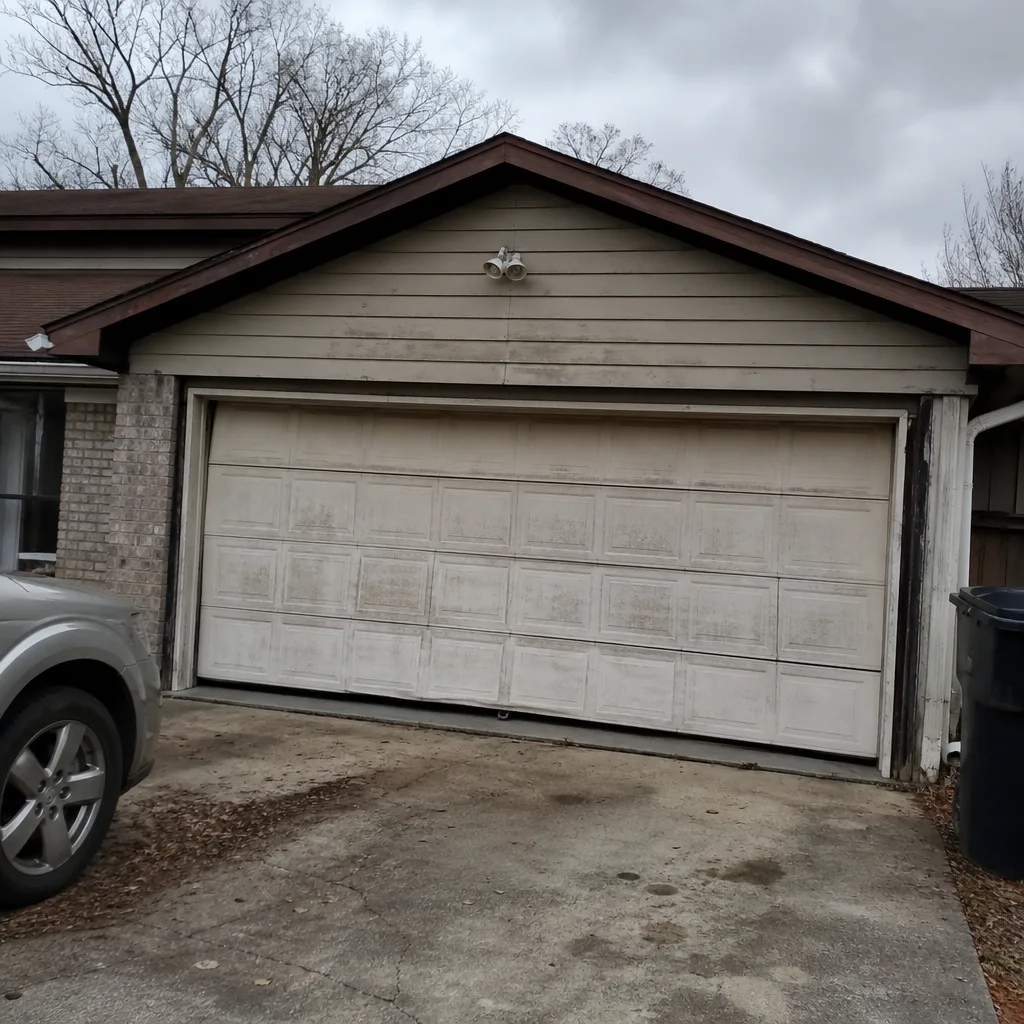
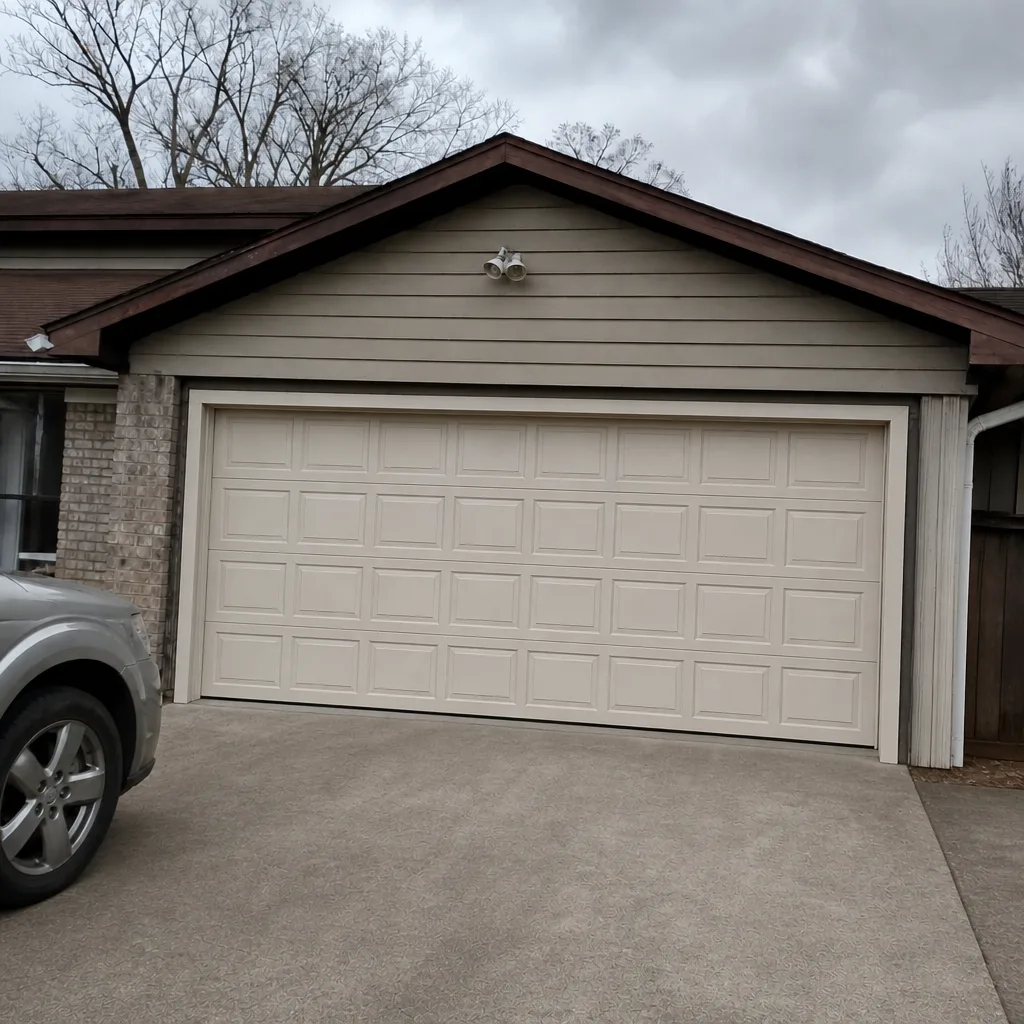
See the difference
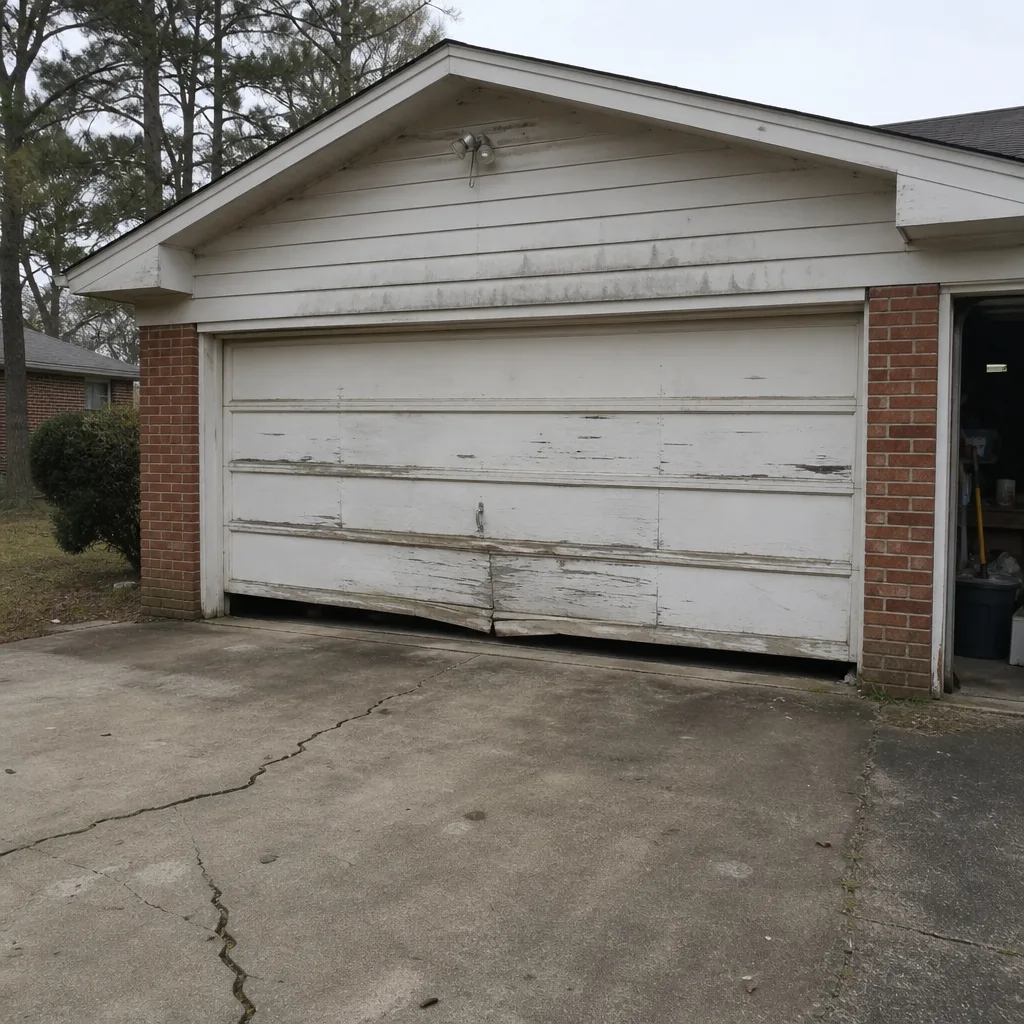 Before
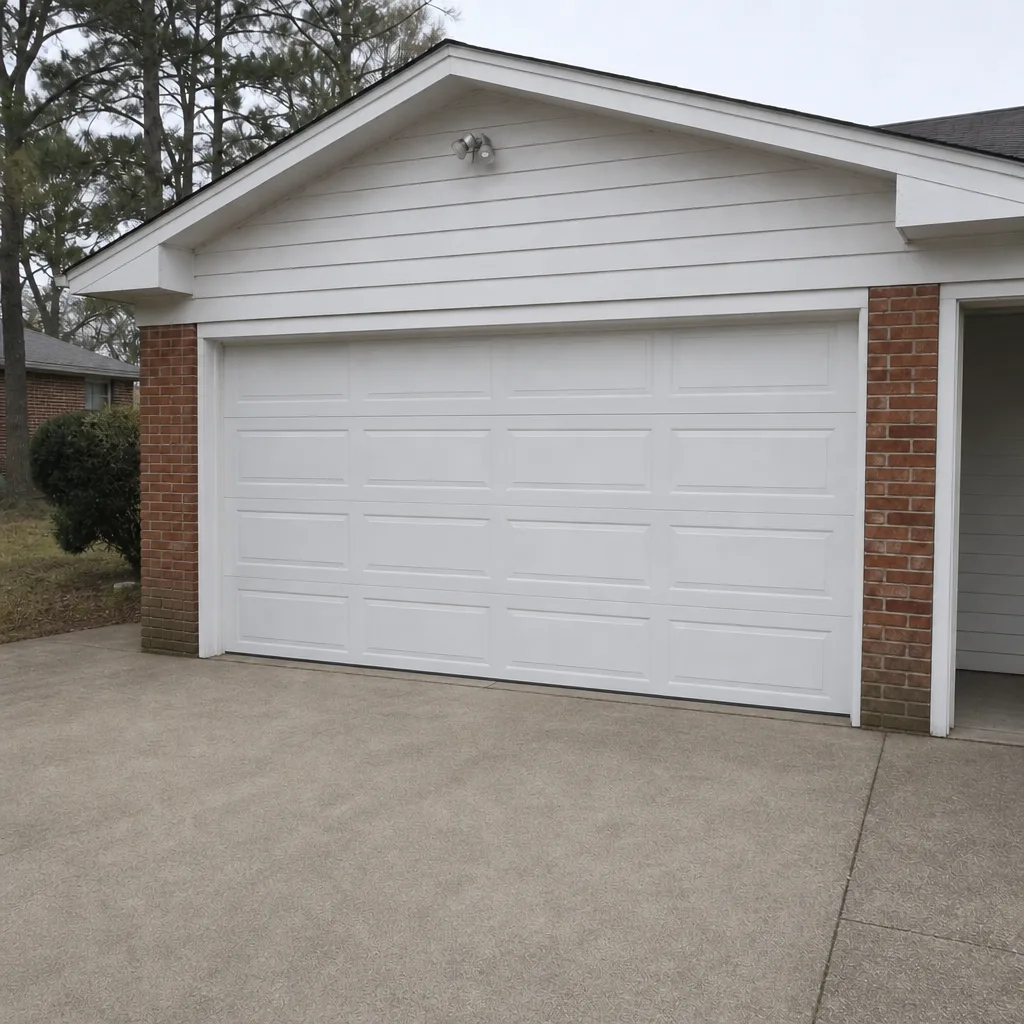 After
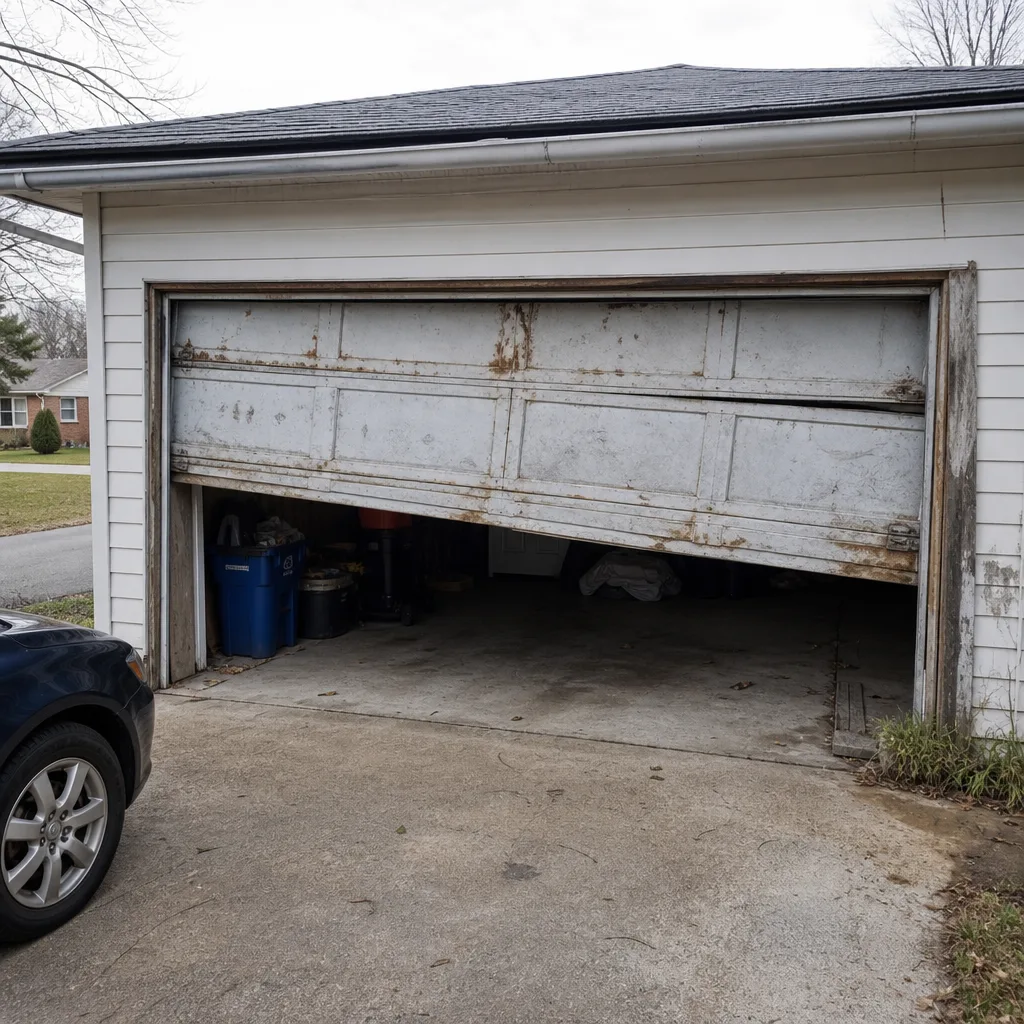 Before
 After
 Before
 After