
Last updated November 15, 2026
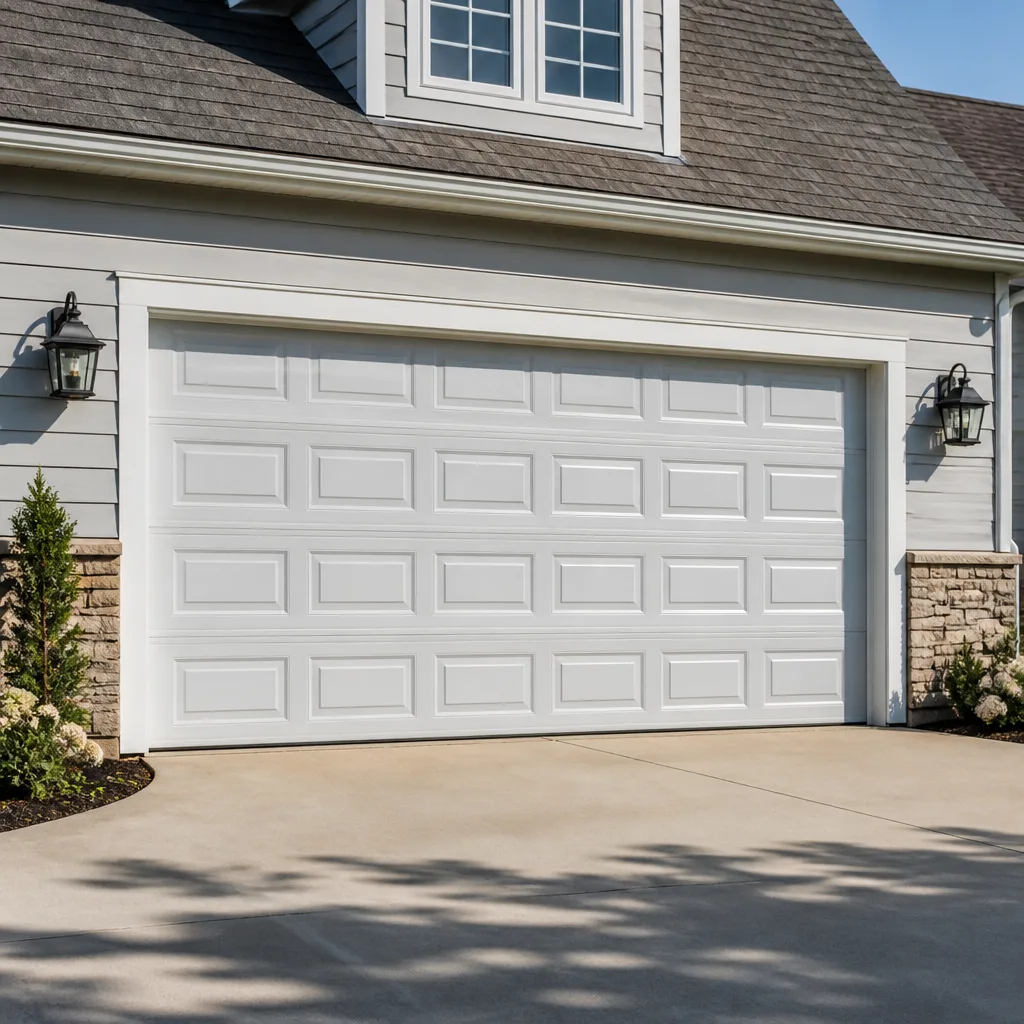 Raised-panel steel
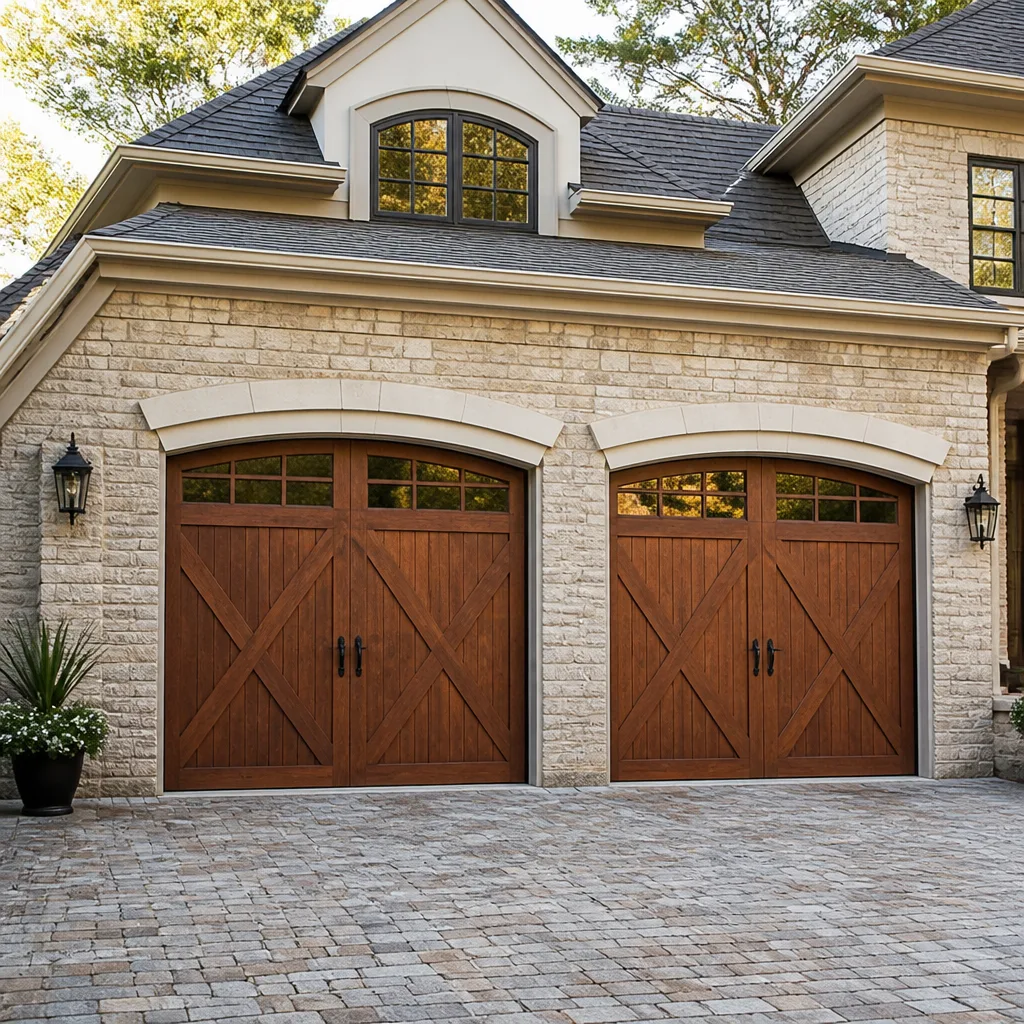 Carriage house
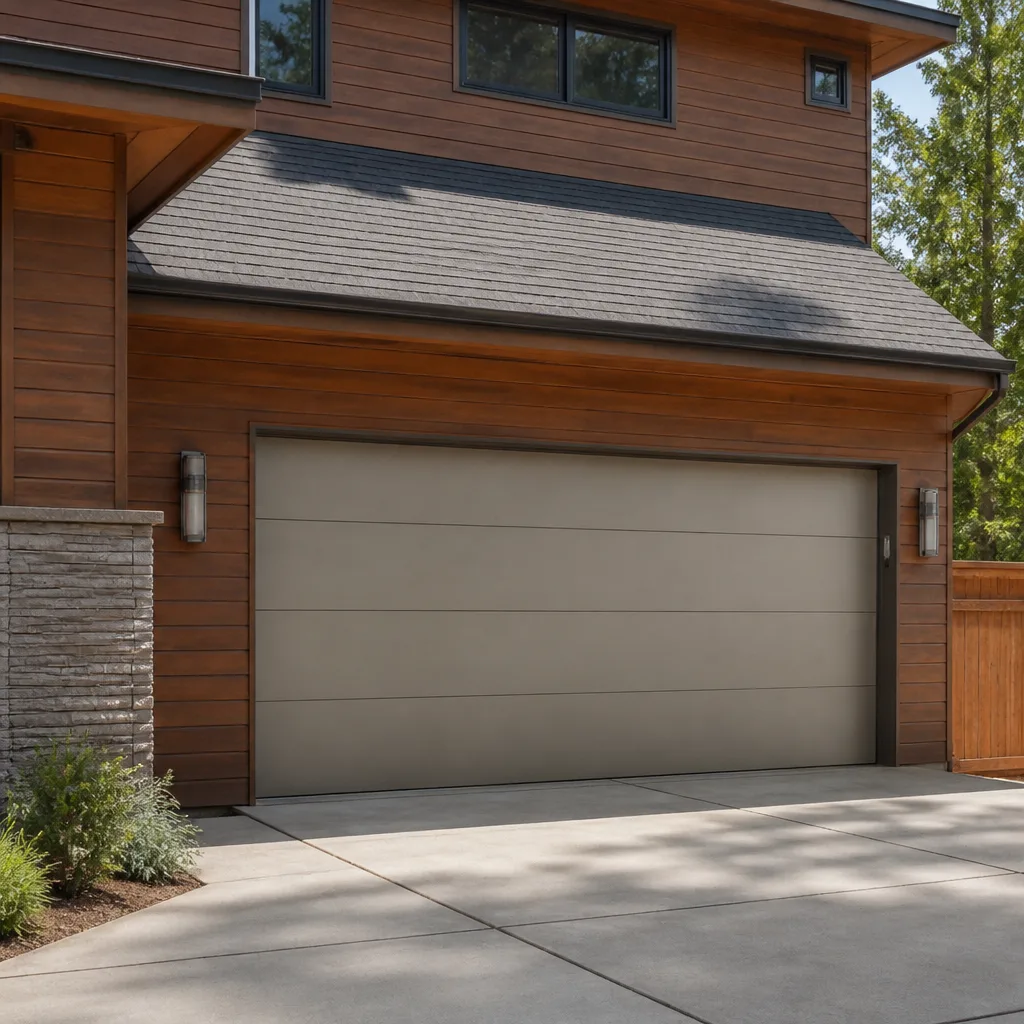 Modern flush
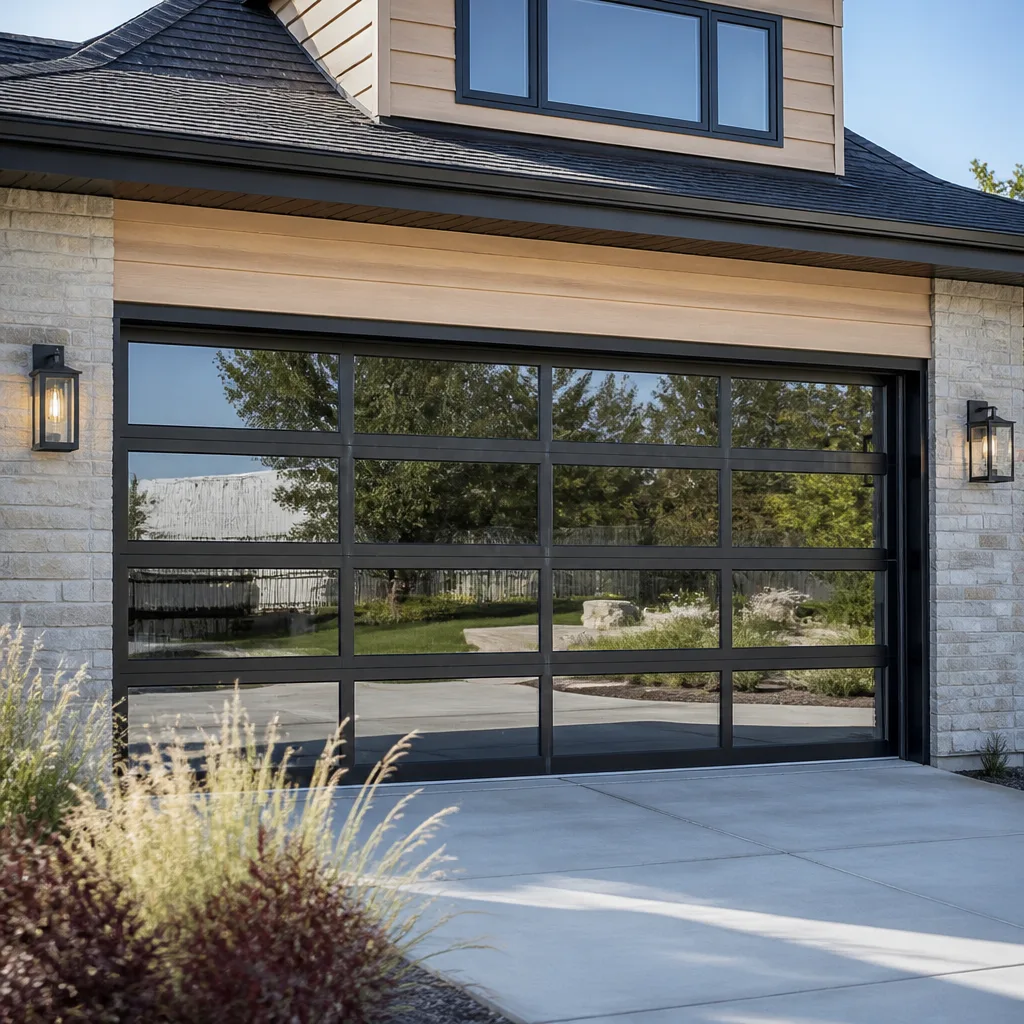 Full-view glass
 LiftMaster openers
 Chamberlain openers
Full 25-point door and opener safety check with every visit - springs, cables, rollers, tracks, and your LiftMaster or Chamberlain opener included
You get a price before we start. It does not change when the pro arrives.
Get your free estimateGarage Door Repair Maintenance Schedule: What to Do and When
Lubricating your garage door springs every six months sounds responsible. But if you’re using the wrong product, you’re accelerating corrosion instead of preventing it, and most homeowners are using the wrong product. Springs, hinges, rollers, and tracks each need a different kind of attention on a different clock, and the clock runs faster in the humidity of a Fayetteville summer than it does in a dry climate. What follows is a maintenance calendar built around how a door actually ages, task by task, with the reasoning behind each interval so you can see why a quarterly check on one part makes sense and an annual professional evaluation on another is plenty.
Quick Answer
A working garage door maintenance schedule looks like this: a two-minute visual inspection every month, lubrication and balancing tests every quarter, a full hardware tightening and weatherstripping review twice a year, and one professional spring and cable evaluation annually. That cadence comes from the wear rate of each component, not from a manufacturer minimum, and the intervals shift slightly in Fayetteville’s humid summers and cold-snap winters.
Styles & brands we work with
- Raised-panel steel
- Carriage house
- Modern flush
- Full-view glass
- LiftMaster openers
- Chamberlain openers
Table of Contents
- Why Intervals Matter More Than the Task List
- The Two-Minute Monthly Visual Inspection
- Quarterly Lubrication: The Right Product for the Right Part
- Seasonal Adjustments for the NC Piedmont Climate
- The Annual Professional Evaluation
- Which Skipped Tasks Void Your Manufacturer Warranty
- Your Rolling Twelve-Month Calendar
- Common Mistakes to Avoid
Why Intervals Matter More Than the Task List
Almost every garage door maintenance list on the internet names the same handful of chores. What most of them leave out is timing. Doing the right task at the wrong interval is almost as useless as skipping it entirely. Cleaning and lubricating the wrong component too often can attract grit and gum up a mechanism that was running fine. Inspecting something too rarely means you find a problem after it’s become an expensive one.
Here’s a simple way to think about it. Every part on your garage door wears at a different speed because it moves a different amount. A torsion spring does the work of lifting a couple hundred pounds thousands of times, so its metal fatigues on a slow curve you can’t see. A roller spins every single time the door moves, so it sheds grease and picks up dust far faster. The schedule should match each part’s actual pace.
In Fayetteville, that pace gets nudged by the Piedmont climate. Summer humidity swells wooden panels and softens lubricant, while winter cold snaps shrink metal and stiffen grease. A calendar built for a dry climate will feel off here. The schedule below adjusts the standard intervals for the way doors around Fayetteville actually age. We’ve seen plenty of doors in this market fall behind on lubrication while their springs were still healthy, and we’ve seen the reverse.
The other reason intervals matter: most of the serious failures we deal with started as small, obvious things that a homeowner looked at and didn’t recognize. A roller squeaking in June is a cheap fix. That same roller seizing in January can chew a track. Here’s the useful insight. A maintenance schedule is really a schedule for giving yourself a look at the door before small wear turns into structural trouble.
The Two-Minute Monthly Visual Inspection
A monthly inspection should take about as long as brewing a cup of coffee. You’re not fixing anything. You’re looking for the three early warnings that separate a little problem from a big one. Set a reminder for the first of each month and do it before the door gets used hard for the day.
Walk up to the closed door and look at it squarely from about ten feet back. Then work through this list:
- Gaps at the bottom. A strip of daylight under the door means the weatherstripping has flattened or torn. In Fayetteville’s humidity, that gap lets warm moist air into the garage and wood or steel panels along the bottom edge start to take on moisture.
- Bowed or cracked panels. Run your eye down the horizontal lines between panels. A panel that dips in the middle or shows a hairline crack on the inside face is weakening, and a weak panel flexes the whole door.
- Dark streaks near the springs. Look at the metal above the door. A dark or reddish streak where a spring mounts is a sign the spring is losing integrity. That’s the signal to stop using the door and call for a professional look.
Then open the door with the opener and listen. Rattles, thunks, a grinding note you didn’t hear last month, all belong on a short list. Finally, do the balance test. Disconnect the opener (the pull cord handle), lift the door halfway by hand, and let go. A well-balanced door stays put. A door that drops or drifts is showing you that its spring tension is off.
The three signs that mean call before this gets expensive: a rusty or stretched spring, a cable that looks frayed or has slack in it, and a door that drops on the balance test. None of these are things to poke at. All three belong to a professional. For the rest, jot what you noticed so the next inspection has something to compare against. If you spot something and aren’t sure, our garage door repair team can take a look; we’re happy to tell you what we see.
Quarterly Lubrication: The Right Product for the Right Part
Here’s where most homeowners go wrong. They grab a can of general-purpose spray or, worse, a can of WD-40, hit every moving part once, and call it maintenance. That routine actually accelerates wear on several components. The correct approach is to match the product to the part, and to use lubricant only where it helps rather than everywhere it fits.
A quick guide to what belongs where:
- Rollers: a light spray lubricant made for garage doors, applied at the roller stem and wheel. Rollers spin constantly and shed grease fast, so they’re the most frequent lube point. Avoid heavy grease here; it collects grit and turns into a grinding paste.
- Hinges: a few drops of light machine oil or a garage-door lubricant at each hinge joint. The pivots dry out more slowly than rollers, so quarterly is right.
- Springs: this is the one everyone gets wrong. Use a dedicated garage door lubricant, applied sparingly, and never a heavy grease. Springs flex along their whole length and need a thin protective film, not a coating. The wrong product here, especially a penetrating spray that leaves no film, does not protect the steel and can speed up surface corrosion. Springs only need attention once or twice a year, not quarterly.
- Tracks: don’t lubricate the tracks. The door’s rollers roll along them, and oil in a track just grabs dust and debris. Keep tracks clean and dry, wipe them down, and leave them alone otherwise.
Spray sparingly. A little product on the right part does more than a lot everywhere. Work the door up and down a couple of times after lubricating so the product distributes, then wipe off excess so it doesn’t catch dust. Skip the paint and skip the springs’ coils themselves; you’re protecting surfaces, not soaking hardware.
Seasonal Adjustments for the NC Piedmont Climate
Garage doors are made of materials that respond to temperature and moisture, and the Piedmont gives them plenty to respond to. Hot humid summers and sharp winter cold snaps push the same door in two directions over a year. Adjusting your maintenance around the seasons keeps the door working through both.
In the summer stretch, humidity is the main factor. Wooden frames swell, steel picks up moisture on unprotected edges, and lubricant gets thin. This is the time to check weatherstripping for softness and gaps, since a moist garage feeds rust along panel bottoms. It’s also the right window to confirm the lubricant you’re using is the film-type product rather than a penetrating spray.
In the winter cold snaps, metal contracts and grease stiffens. Doors can feel heavier and noisier for the first few cold mornings. That’s normal to a point. Listen for new grinding or a door that barely moves. If the opener strains on a cold morning, the remedy is usually fresh lubricant on the rollers and hinges, which may need warming before a repair is needed. If a spring has been losing tension, the cold is when it tends to let go.
Spring and fall are the best windows for the two heavier jobs: tightening all visible hardware (loose nuts and bolts on hinges and brackets) and checking the panel edges and bottom weatherstripping after a season of temperature swings. These are things you can do yourself if you’re comfortable. The one part you should never adjust on your own is the springs, and the seasonal calendar doesn’t change that. If a seasonal check turns up a spring problem, call us; the garage door opener repair side of our work and the spring side are handled by the same technicians, so you’re not chasing the problem across two calls.
The Annual Professional Evaluation
Once a year, an experienced technician should put eyes and hands on the whole system. This is not the same as the work you do monthly or quarterly. It’s a trained inspection of the parts you should not touch, plus an overall assessment of how the door is aging.
An annual evaluation checks:
- Spring tension and spring condition, including the stress points where a spring is most likely to fail
- Cable condition, any fraying, kinks, or slack that signal wear before a break
- Track alignment, since a door that’s slowly drifted out of square puts strain on everything else
- Panel and structural integrity, including the balance of the door across its full travel
- Opener function, including the safety reverse and the force settings
If your opener is a LiftMaster or Chamberlain system, this is also the time to confirm the smart features and the safety reverse are behaving correctly, since those connected openers need the door to move predictably. If you have a Genie or a Wayne Dalton unit, the same physical checks apply even without the connected extras.
Why annual? Because the parts that matter most to safety have a slow failure curve you can’t reliably eyeball. A trained hand can feel a spring that’s a few hundred cycles from letting go in a way a visual inspection can’t catch. That early signal is what turns a spring replacement into a planned job instead of a door stuck down and stuck open. Call us to schedule the evaluation, and we’ll tell you what we find.
Which Skipped Tasks Void Your Manufacturer Warranty
Most manufacturer warranties on garage doors and openers assume the product is maintained to spec, and they exclude damage that comes from neglect or from work done on components the maker says should be serviced professionally. The exact wording varies by brand and by what’s covered, so the safe move is to read the warranty document that came with your door, or ask the maker, rather than guess.
The maintenance tasks most commonly subject to exclusion:
- Lubrication of moving parts. If the manufacturer’s instructions call for lubrication on a schedule and a part fails from running dry, a claim can be refused. This is a low-cost habit to keep up.
- Spring and cable service. These are high-tension parts. If a warranty covers them at all, it usually assumes they were serviced by a professional. A homeowner-adjusted spring is a common reason a claim gets denied.
- Ignoring the safety reverse. An opener’s safety reverse is a safety function, and a failure traced to an unmaintained door can complicate a warranty claim.
- Unsafe DIY adjustments. Anything a homeowner does to track alignment or opener force settings that causes further damage is usually excluded.
This matters if your door is a Clopay or an Amarr, two of the brands we service and see commonly in Fayetteville homes. Both ship with warranty terms that reference proper use and maintenance. The same logic applies to Wayne Dalton and Genie products. Keep a simple log of what you’ve done and when, and keep the written record of any professional service. It’s a small habit that helps a warranty claim go smoothly if one ever comes up.
Your Rolling Twelve-Month Calendar
Here’s the whole schedule in one place, lined up against the year. Use it as a template for your Fayetteville home and adjust only if you notice something that needs attention sooner.
Monthly: the two-minute visual inspection and the balance test. Note anything new to look at.
Every quarter (four times a year): lubricate rollers and hinges; wipe tracks clean; check weatherstripping for flatness. In summer, pay extra attention to moisture along panel bottoms.
Twice a year (spring and fall): tighten visible hardware; lubricate the springs with the film-type product; inspect panel edges and bottom seal. Spring is a good window to check after the humid stretch. Fall is a good window to prepare for the cold snaps.
Once a year: schedule the professional evaluation of springs, cables, track alignment, and opener safety function.
Whenever you notice: a rusty or stretched spring, a frayed cable, a door that drops on the balance test, a grinding sound, or the opener straining. These move to the top of the list.
One practical note: the intervals above are for a typical residential door used a few times a day. A door used heavily or on an older installation may need the lubricant and hardware checks on a tighter schedule. Our technicians have up to 11 years of experience across the brands people actually own in this market, and we can adjust the calendar for what your door needs. We service products from LiftMaster, Chamberlain, Genie, Clopay, Amarr, Wayne Dalton, Craftsman, and Raynor, so whether it’s a Genie opener or a Clopay door, we know the parts and the schedule that fits.
Common Mistakes to Avoid
- Using WD-40 or general-purpose spray on everything. A penetrating spray leaves no protective film and can speed up surface corrosion on springs. Use a lubricant made for garage doors on the right parts.
- Lubricating the tracks. Oil in a track collects grit and turns into a grinding paste. Keep tracks clean and dry.
- Adjusting spring tension yourself. Springs are under extreme tension and can cause serious injury. Leave tension and cable work to a trained professional, every time.
- Waiting until the door won’t open to look at it. Most failures give weeks of warning. A monthly inspection catches those signals.
- Ignoring seasonal swell and shrink. Skipping a spring and fall hardware check lets the Piedmont’s temperature swings loosen bolts you can’t see from the outside.
- Throwing away the warranty or skipping the maintenance log. If a part fails and you need to make a claim, a record of proper maintenance helps. Keep it simple and keep it.
- Assuming the opener is the problem when the door is. Many “opener faults” are really a door that’s harder to lift because a roller has seized. Diagnose the door first.
See the difference
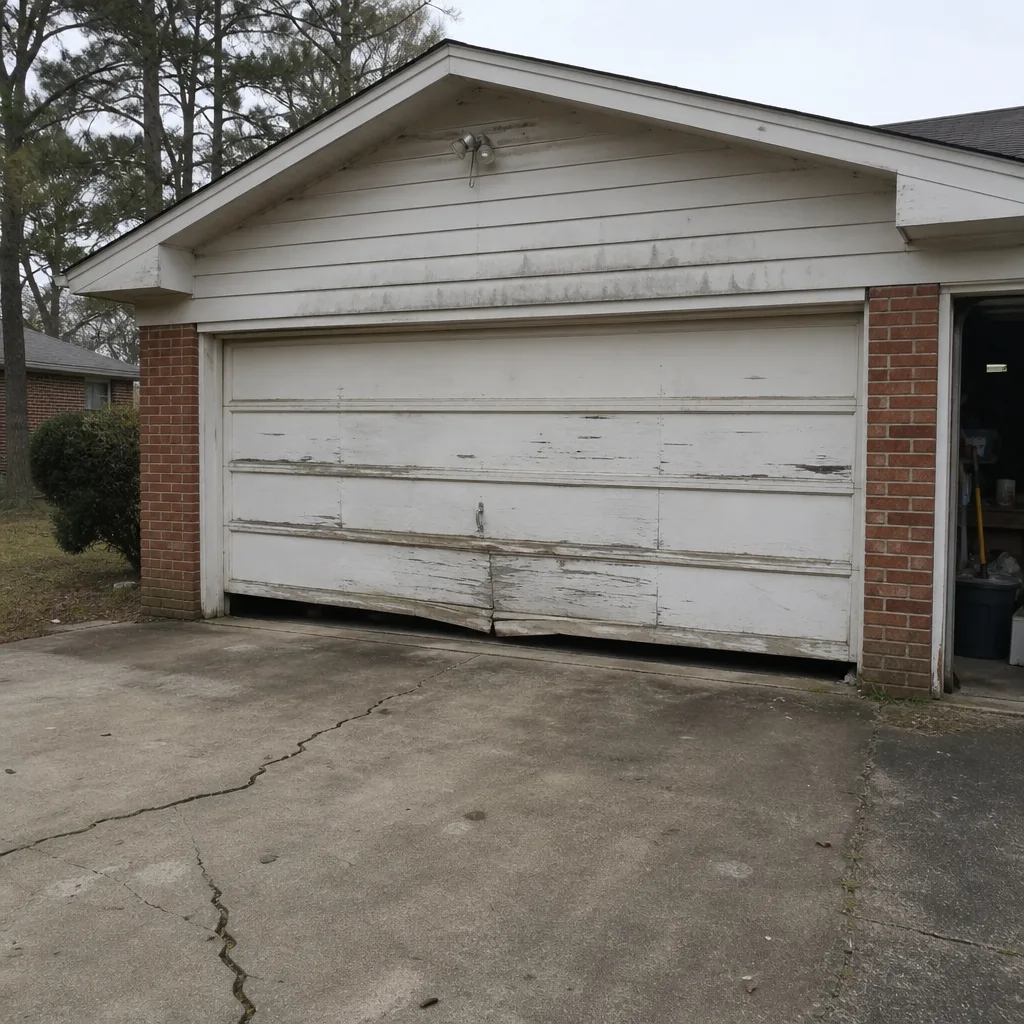 Before
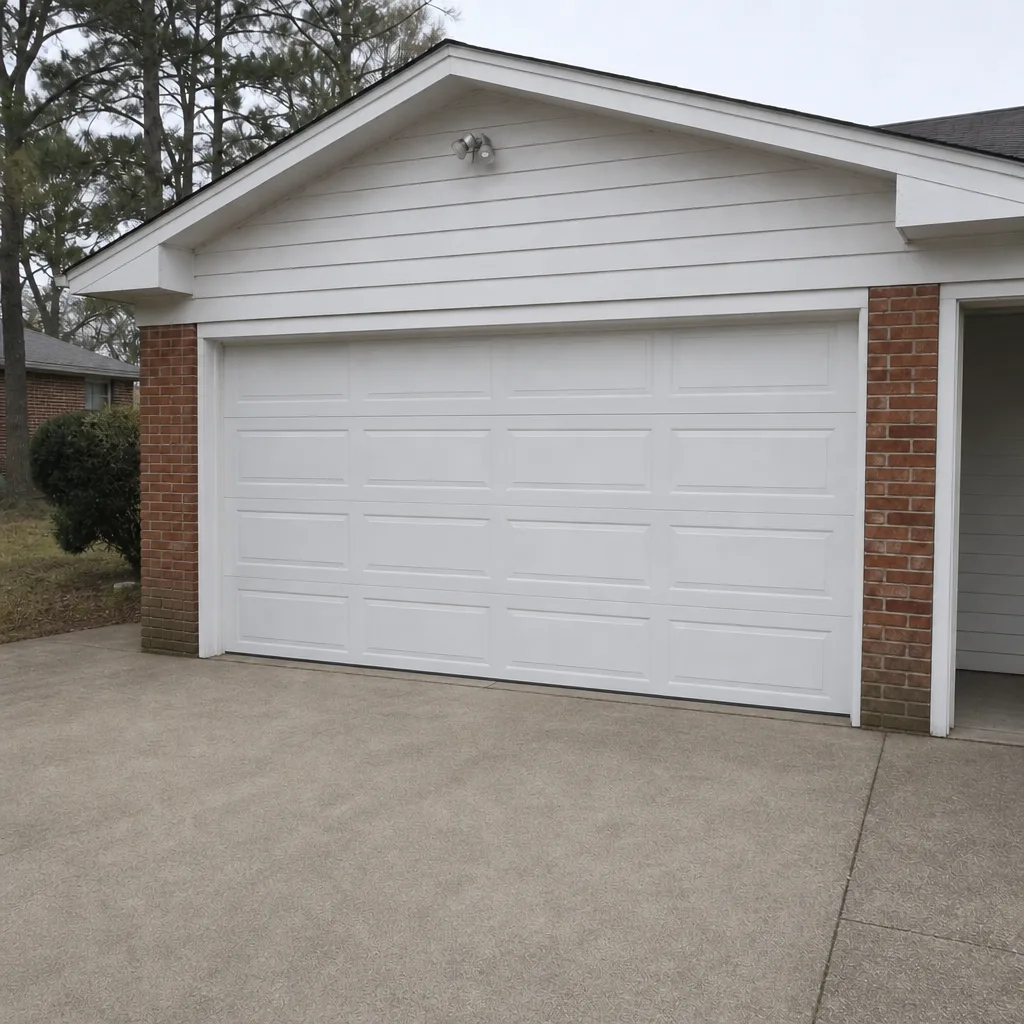 After
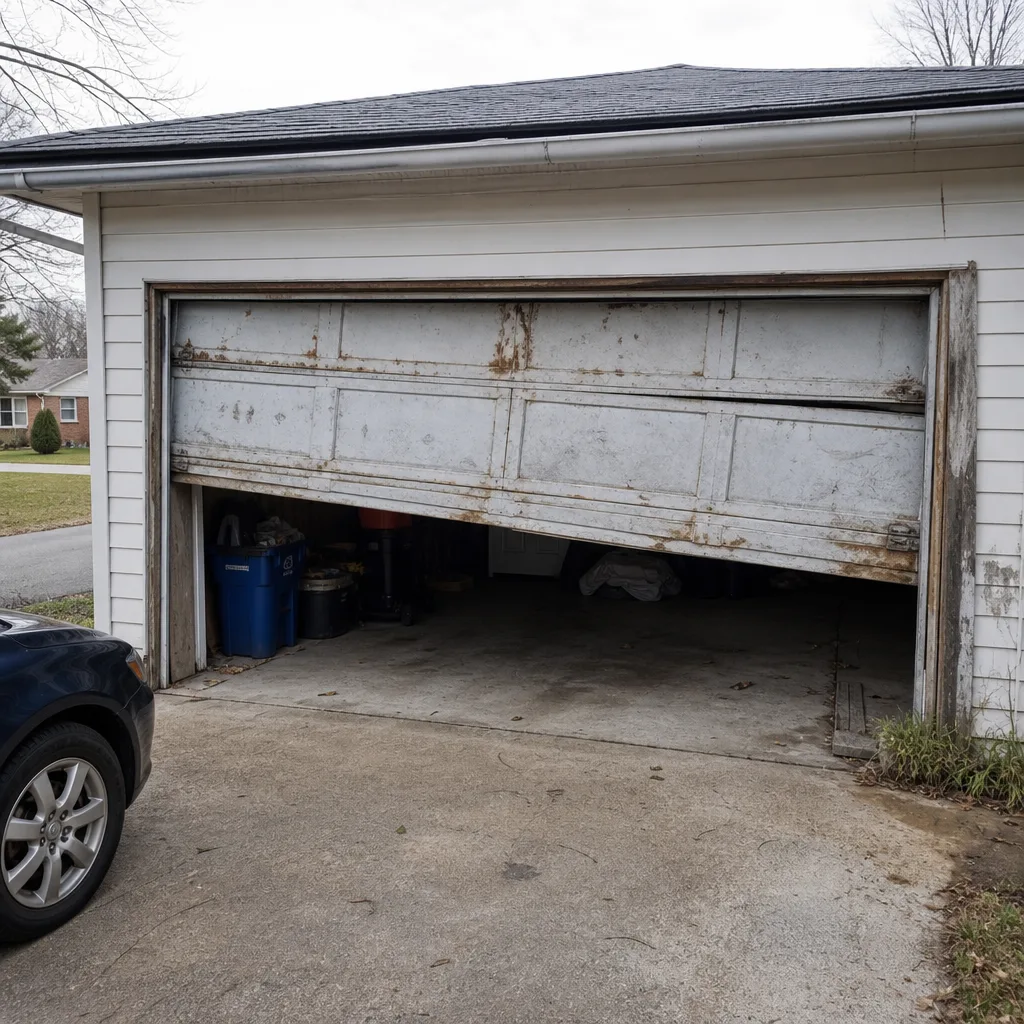 Before
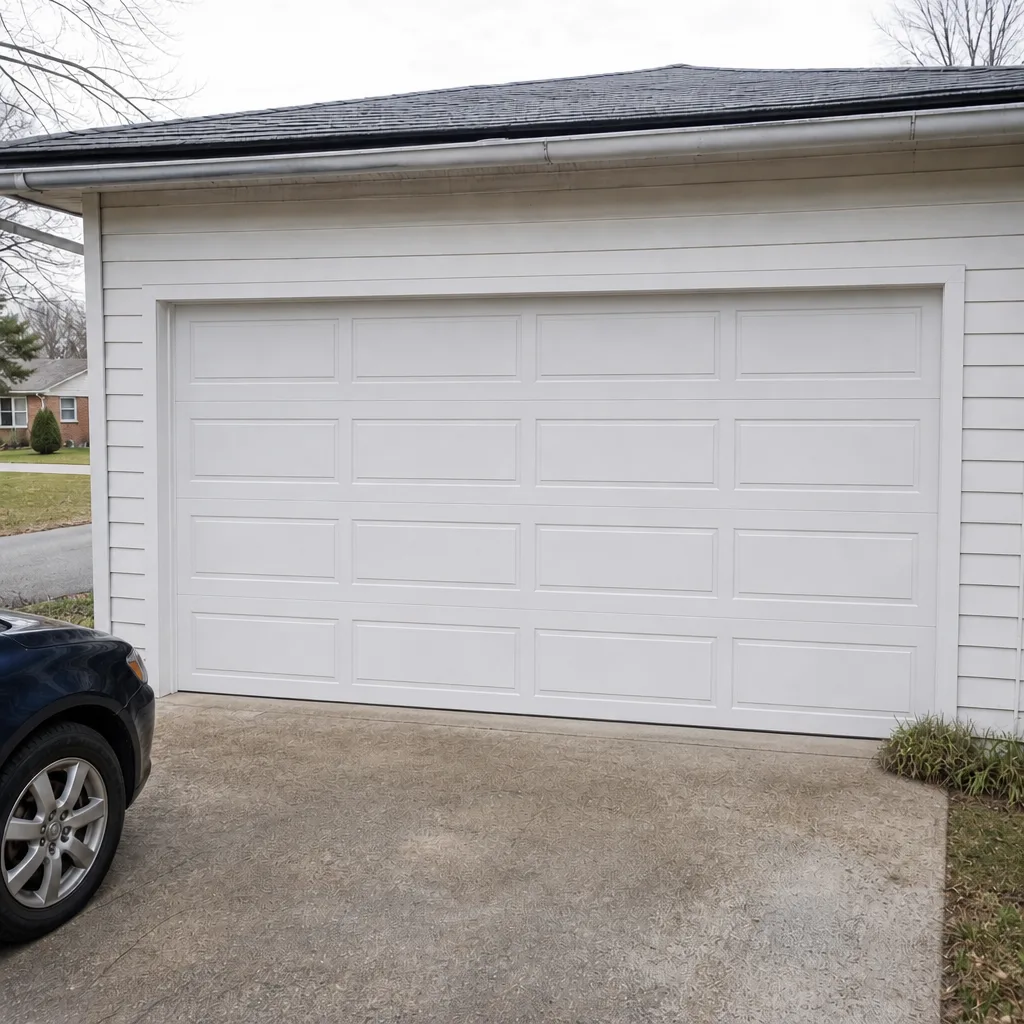 After
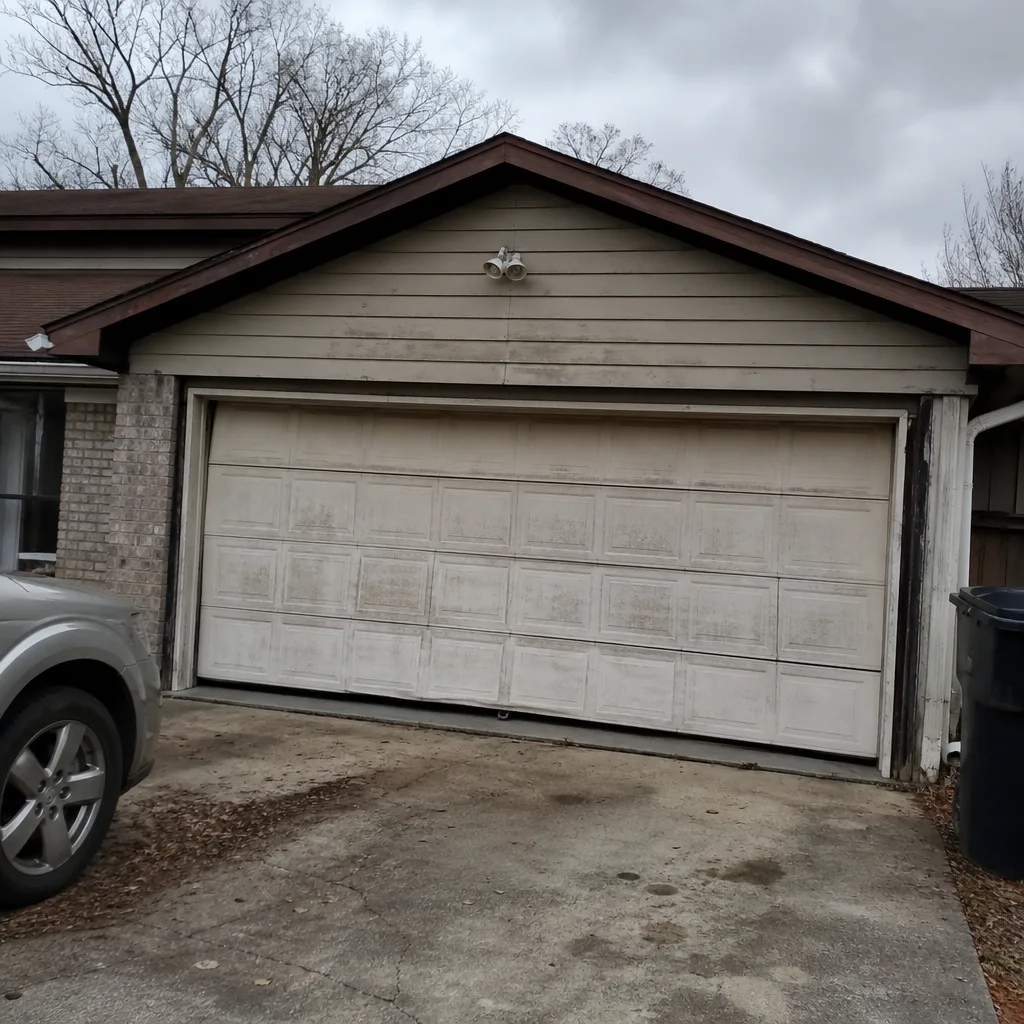 Before
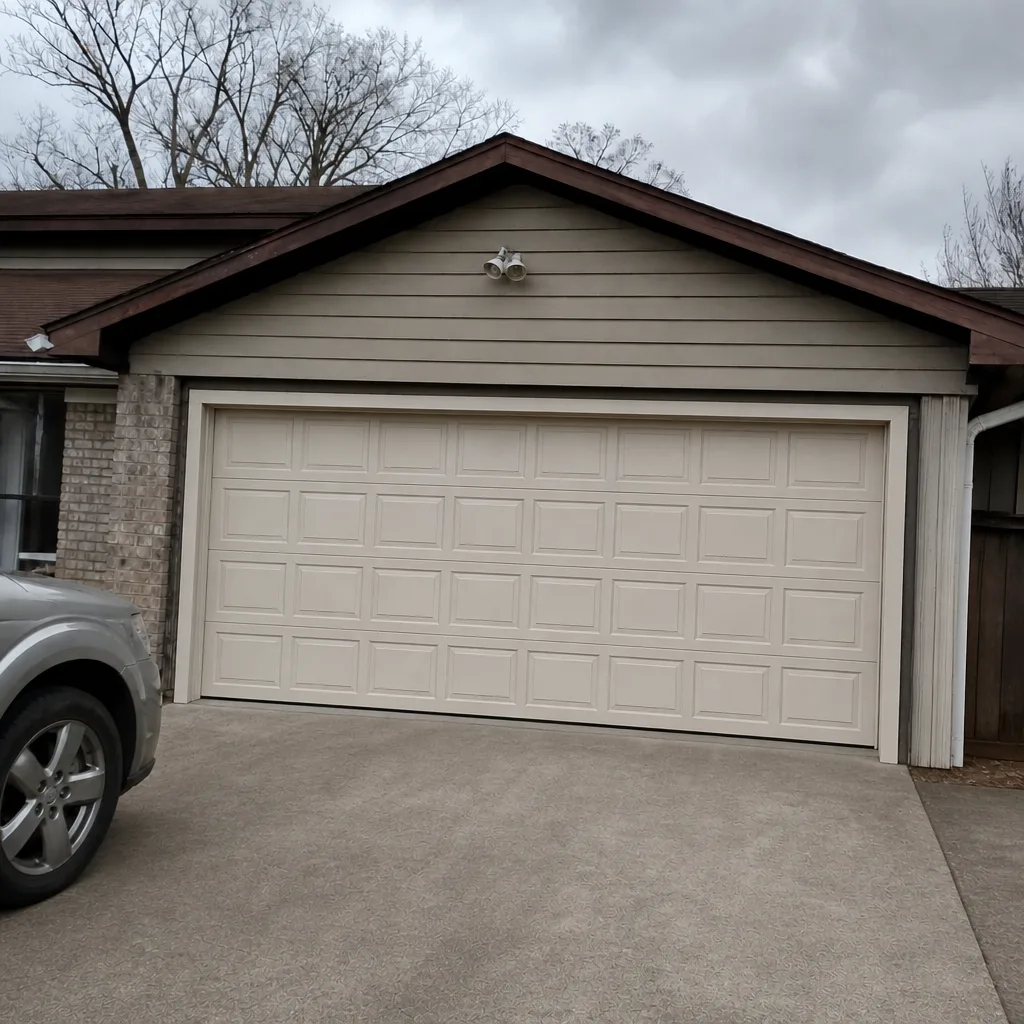 After
When to Call a Professional
Some tasks belong on your calendar, and some belong to a trained professional. Call us if you see a spring that’s rusted, stretched, or has a visible gap in its coil; a cable that’s frayed, kinked, or slack; a door that drops or drifts when you let go of it mid-travel; a track that’s bent or that the door rubs against; a panel that’s cracked or bowed; or an opener that struggles, reverses for no reason, or won’t complete its safety check. Also call if the door has been in a collision or storm-impact situation and you can’t tell how much damage is underneath.
Eaton Garage Door Repair offers free estimates in Fayetteville; call (855) 473-7101. We answer 24/7. Fast dispatch from 7am to 7pm, Sunday through Friday. We’ll look at the door, tell you what a typical job involves, and quote you a price before any work starts. If you’re in the neighborhood around Spout Springs, we’re glad to help there too.
Frequently Asked Questions
Every month for a quick visual check and balance test, every quarter for lubrication and hardware attention, twice a year for a heavier hardware and weatherstripping review, and once a year for a professional spring and cable evaluation. The intervals differ because each part wears at its own pace. If you want a checkup sooner, call (855) 473-7101, and we’ll give you a free estimate.
You can apply a dedicated garage-door lubricant to the spring surface, sparingly, but never adjust the tension, and always use a film-type product rather than a penetrating spray. The spring itself is under dangerous tension, so anything beyond a light surface application belongs to a trained technician. If you’re unsure, call (855) 473-7101 for a free estimate and a look at the system.
Start with the balance test: disconnect the opener, lift the door halfway, and see if it holds or drops. A door that drops points to spring tension, which needs professional attention. A door that binds or grinds points to rollers or tracks. Either way, don’t force it. Call (855) 473-7101 and we’ll come diagnose it, with a free estimate before any work.
They do. Summer humidity swells wood, softens lubricant, and can feed rust along panel bottoms, so inspect weatherstripping and panel edges more closely in the warm stretch. Winter cold snaps contract metal and stiffen grease, so a door may feel heavier on the coldest mornings. That’s why the calendar puts hardware tightening and weatherstripping review in spring and fall. For questions specific to door, call (855) 473-7101 for a free estimate.
It can, depending on the brand and the exact warranty terms. Most warranties for doors and openers from brands like Clopay, Amarr, Wayne Dalton, and Genie assume proper maintenance and exclude damage from neglect or from homeowner work on high-tension parts. Read your warranty document, and keep a simple log of what’s been done. If you need professional maintenance to keep the warranty intact, call (855) 473-7101 for a free estimate.
Yes. We work on both the door and the opener, so we can tell which one is failing instead of guessing. For LiftMaster, Chamberlain, Genie, Craftsman, and older openers alike, we diagnose the system as a whole. Call (855) 473-7101 for a free estimate. We answer 24/7. Fast dispatch from 7am to 7pm, Sunday through Friday. When the door and the opener need attention, our Eaton Garage Door Repair team handles both.
The Bottom Line
A garage door maintenance schedule is a schedule of intervals, not a chore list. Monthly looks catch the early warnings, quarterly lubrication keeps the moving parts moving, the spring and fall reviews handle the Fayetteville climate’s swings, and the annual professional evaluation catches the slow failures before they stop your door. Do the small tasks on time and you’ll spend far less on the big ones. If any of it looks like more than you want to take on, or you’re not sure what you’re seeing, we’re a phone call away with free estimates and a straight answer.
Call (855) 473-7101 for a free estimate. We answer 24/7. Fast dispatch from 7am to 7pm, Sunday through Friday. Tell us what your door is doing and we’ll tell you what it needs.
Written by the team at Eaton Garage Door Repair.