
Last updated November 15, 2026
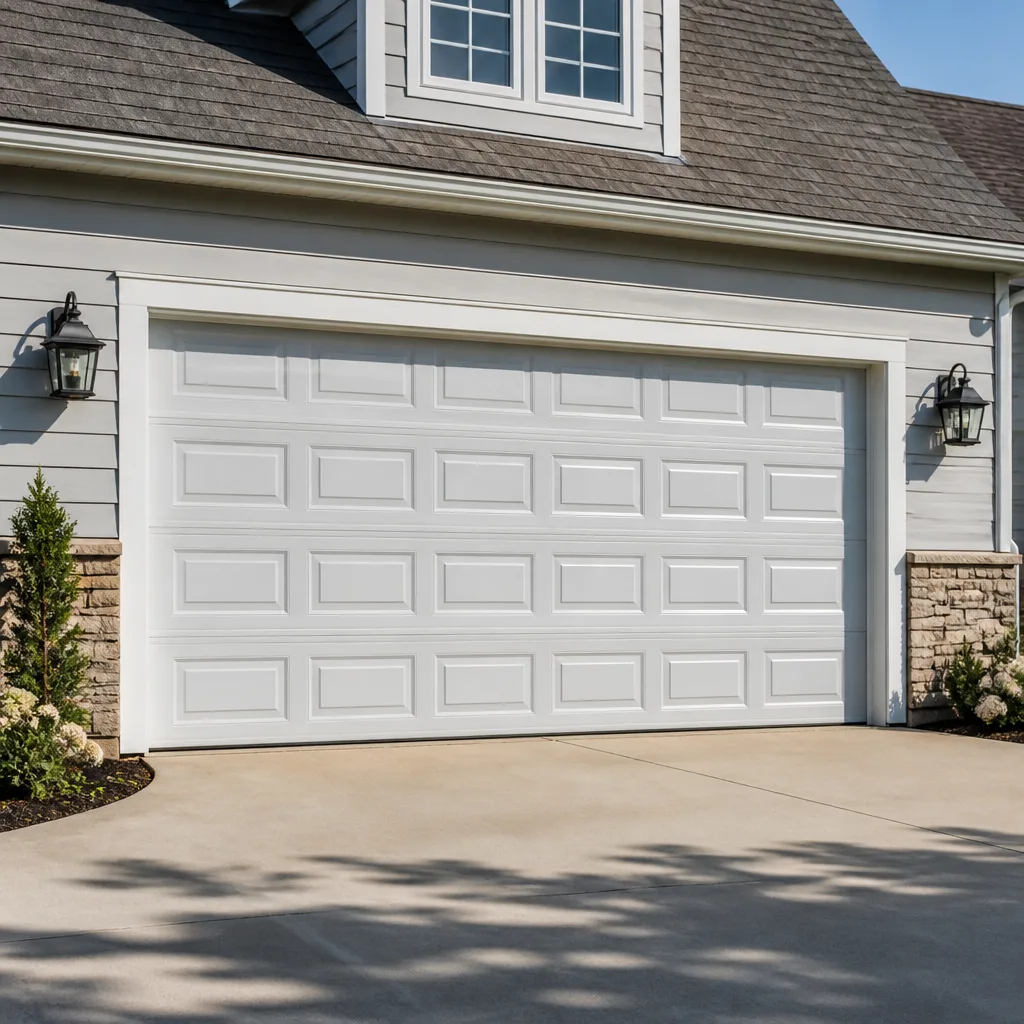 Raised-panel steel
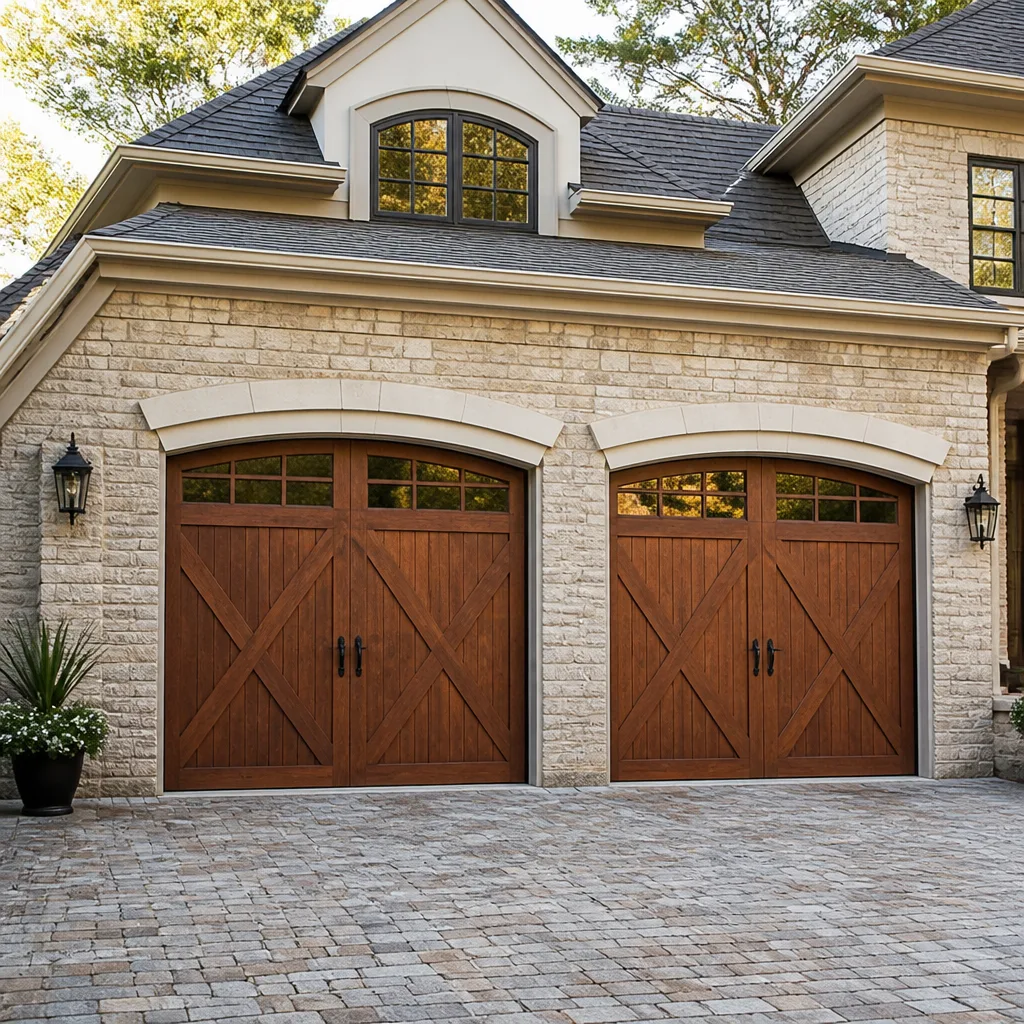 Carriage house
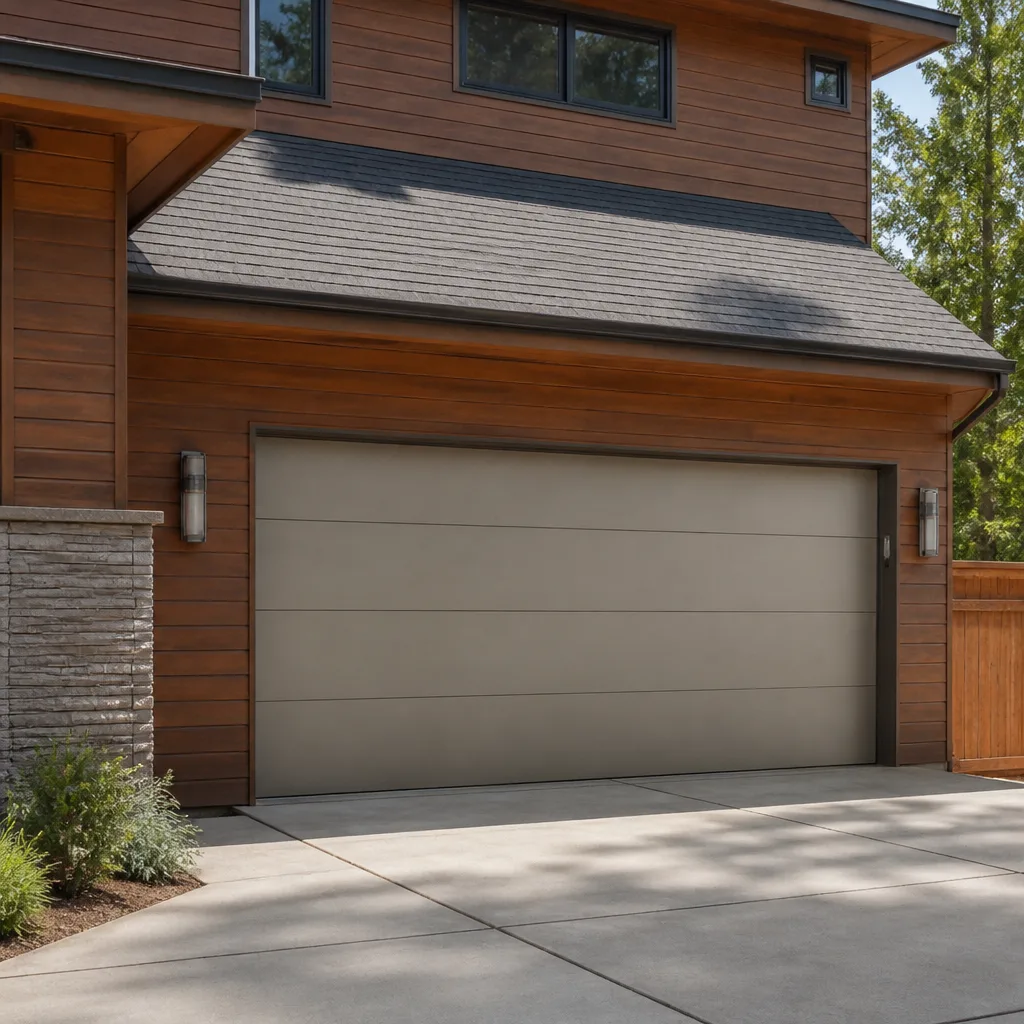 Modern flush
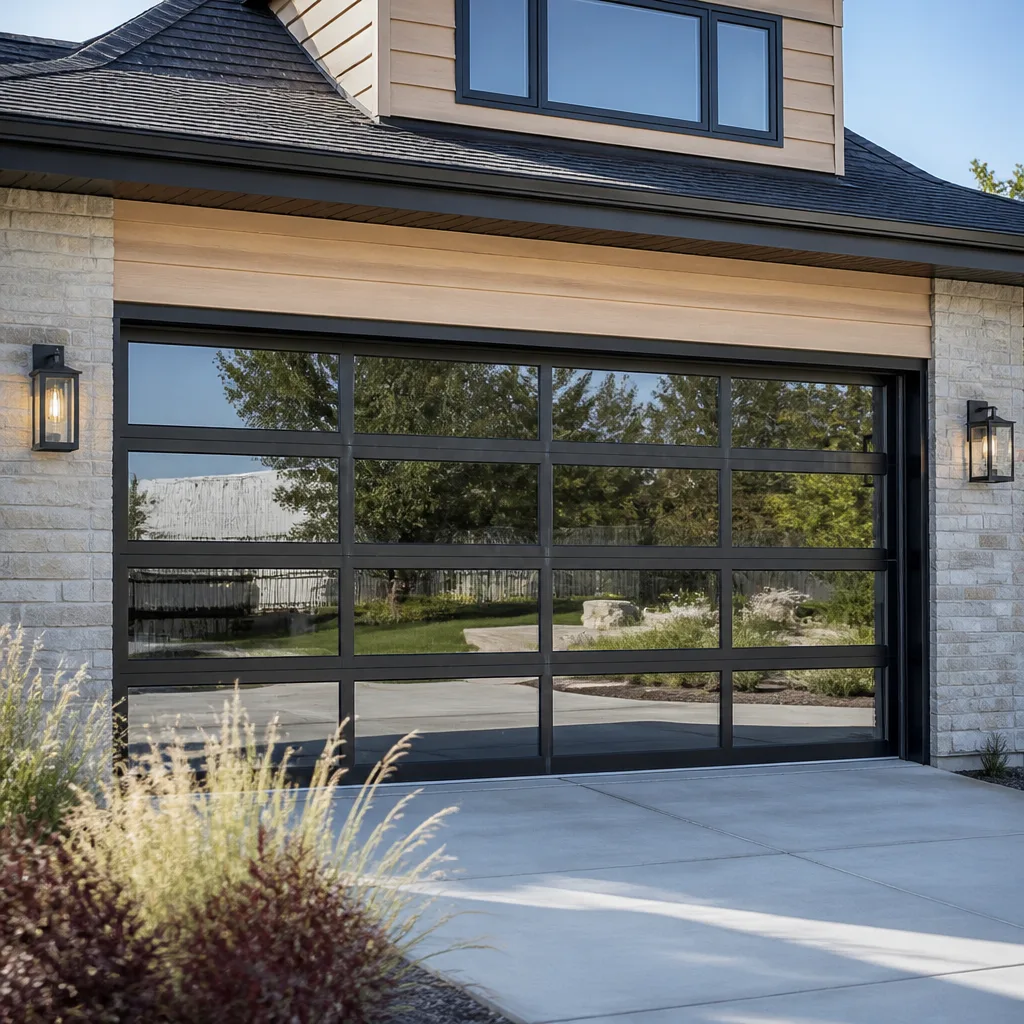 Full-view glass
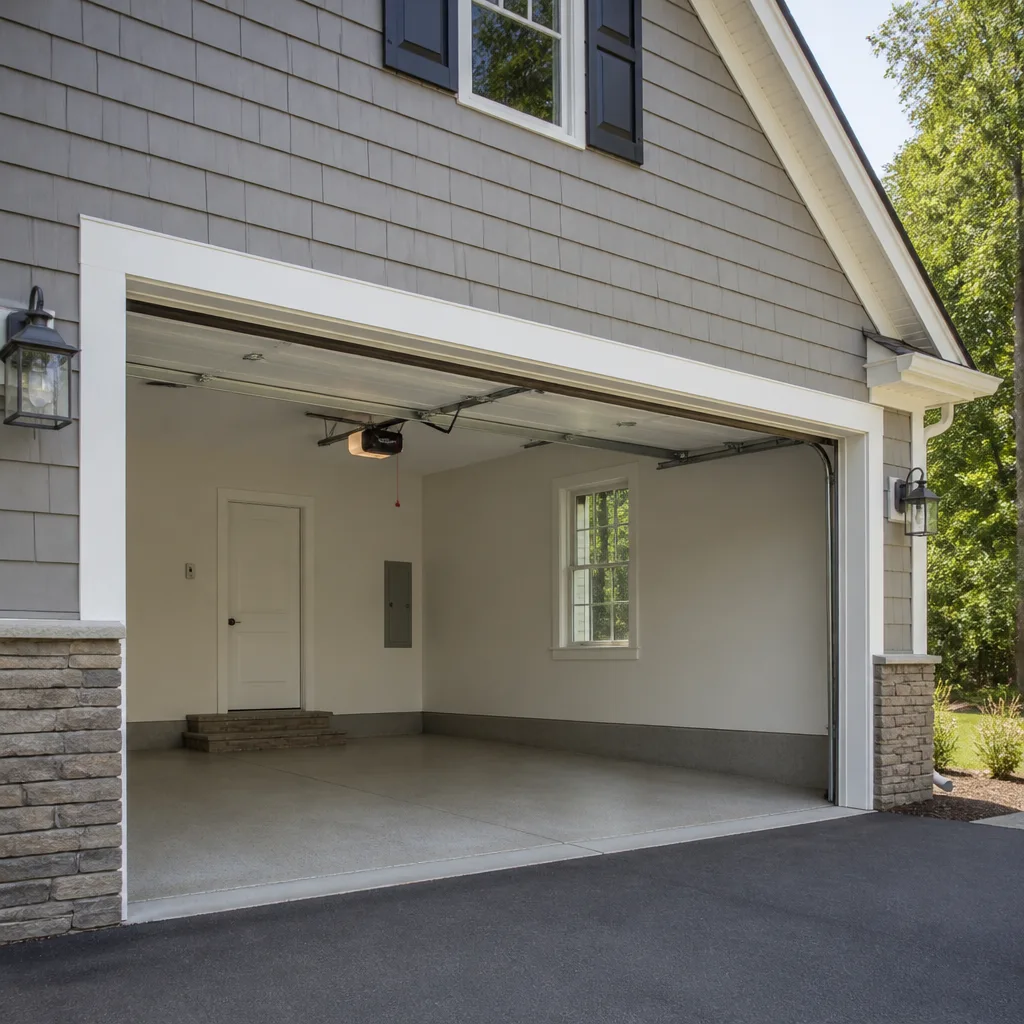 LiftMaster openers
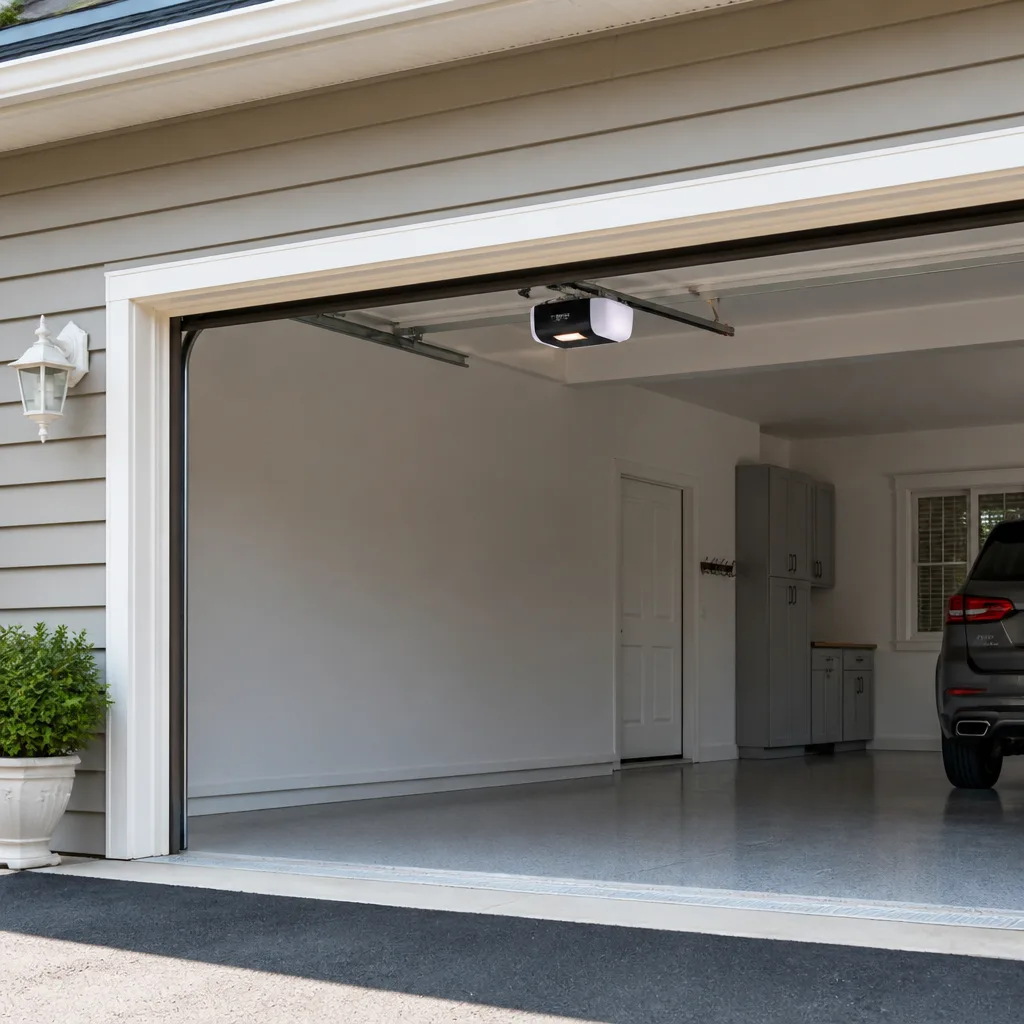 Chamberlain openers
Full 25-point door and opener safety check with every visit - springs, cables, rollers, tracks, and your LiftMaster or Chamberlain opener included
You get a price before we start. It does not change when the pro arrives.
Get your free estimateThe Complete Guide to Garage Doors in Fayetteville
Most garage door advice online is written for a national audience, and it shows. A homeowner in Phoenix gets told to worry about heat warping panels. A homeowner in Minneapolis gets told to watch for freeze-thaw damage. Neither warning lands in Fayetteville, where the actual problems look different: humidity that never quite leaves, red clay that holds water against the bottom of your door, and a housing stock that spans four very different building eras. Add the constant churn of Fort Liberty postings and you get a market where doors get neglected, inherited, and misjudged more than almost anywhere else. This guide covers what actually matters here, from how Carolina humidity stresses a bottom seal to how to judge a door during a short PCS inspection window.
Quick Answer
A garage door in Fayetteville needs regular lubrication, a bottom seal that fits tight against the slab, and spring and track inspection more often than drier climates require because of year-round humidity. Match your approach to your home’s build era, since a 1970s ranch, a 1990s subdivision, and post-2010 construction each have different door and opener standards. When something fails, a specialist diagnoses it faster than a general handyman, and the price should be written down before any work begins.
Styles & brands we work with
- Raised-panel steel
- Carriage house
- Modern flush
- Full-view glass
- LiftMaster openers
- Chamberlain openers
Table of Contents
- What Fayetteville’s Humidity and Red Clay Do to Garage Doors
- Matching Your Door to Your Home’s Build Era
- Brand Availability and Service in the Fayetteville Market
- Assessing a Garage Door When Buying or Selling in a PCS Market
- Repair or Replace? Judging a Door With Unknown History
- A Maintenance Routine That Works in Carolina Weather
- Openers and Smart Systems: What Fayetteville Homeowners Ask About
- Safety: The Parts You Should Never Touch
What Fayetteville’s Humidity and Red Clay Do to Garage Doors
Fayetteville sits in a humid subtropical band, and that single fact changes the failure pattern of a garage door. Drier climates dry things out and cause weathering and cracking. Here, moisture lingers. The dirt around your foundation is dense red clay that drains slowly and holds water against the structure far longer than the sandy or loamy soils other guides assume.
That combination accelerates three failure points in particular:
- Bottom seals degrade faster here. The rubber or vinyl seal sits at the slab, right where moisture collects. Constant damp softens the seal, then it tears, then the door starts letting in drafts, water, and pests. A cracked seal is one of the most common things we find on Fayetteville doors.
- Track corrosion shows up earlier than it would inland. The steel tracks and their fasteners are exposed to humidity year-round, and any moisture trapped against the rails starts rust that roughens the steel and makes rollers drag.
- Spring corrosion and cable wear follow the same pattern. High-tension springs and their cables don’t like persistent damp. Rust pits a spring’s surface and shortens its working life, and a cable that’s been wet for a season should be inspected closely rather than assumed healthy.
None of this is a crisis. It’s a maintenance rhythm. The practical takeaway is that a door in Fayetteville should be looked at more often than a door in a dry climate, not because the door is worse but because the climate asks more of it. The red clay matters here too. Water that pools beside the slab tends to stay, keeping the seal and the bottom of the door damp long after the rain stops. A door that’s the same product in a dry state behaves differently in this county, and your maintenance should reflect that.
The good news is that all three failure points are inexpensive when caught early. Visual inspection twice a year, a wash and dry on the tracks, and a correct lubricant on the moving parts will keep a door ahead of humidity for a long time. The links between moisture and movement are the same links that keep a door quiet and safe all year.
Matching Your Door to Your Home’s Build Era
Fayetteville’s housing stock is unusually varied. Neighborhoods developed through the 1970s, then through the 1990s subdivisions, then again after 2010. Fayetteville’s residential booms each left a different door standard behind, and knowing your era tells you what to expect before you’ve even opened the door.
1970s ranch-style homes. The door here is likely a single-car or small double wood door (or a wood-and-steel hybrid). Wood was common, and the hardware is older and less forgiving of neglect. These doors often have heavier openers or older chain-drive units, manual safety reversals, and tracks that demand care. As wood frames and stiffeners age they can swell in humid conditions, which makes an older door bind and stick. Look for worn rollers, bowing panels, and springs that have been under tension longer than they should be.
1990s subdivisions. This is the era where steel doors and sectional roll-ups became standard. The hardware is more uniform, the openers tend to be more standardized, and the door often still fits the original opening well. Common problems here are openers that have finally worked their way to their end of life, worn torsion or extension springs, and panels that have taken years of sun and rain.
Post-2010 construction. Newer homes typically have newer doors, more modern insulation, and smart or connected openers. The common issues shift to opener programming, connected-system troubleshooting, and parts that fail because they’ve been in service only a shorter time. A LiftMaster or Chamberlain myQ-capable unit falls here often. These newer systems still need service, but the questions they raise are different.
The right question isn’t “what door is best,” it’s “what door was this home built for and what does it need now?” A 1970s ranch may deserve a full replacement if the wood has taken on too much moisture, while a 1990s door may only need a spring and a bottom seal. The build era frames the whole decision.
Brand Availability and Service in the Fayetteville Market
National brand rankings tell you what’s popular across the country. What a Fayetteville homeowner actually needs to know is which brands are common on doors already installed here, which means which brands a local technician is most likely to be working with when they arrive. The answer is fairly predictable, and it’s why we focus on some brands more than others.
The door systems you’ll see most often on the area’s homes come from Clopay, Amarr, Wayne Dalton, and Raynor on the door side, and LiftMaster, Chamberlain, Genie, and Craftsman on the opener side. That’s why our focus is on working on the doors and openers already installed rather than steering anyone toward a specific new brand. Brand-neutral diagnostics matter here: if your door is a Raynor and your opener is a Genie, the technician needs to know both, not just one.
What Brand Awareness Actually Buys You
- Faster diagnosis. A technician who knows the particular model family’s failure patterns reaches the right answer sooner than a generalist running a generic checklist.
- Right-sized parts. Spring wire gauges, drum sizes, and opener rail lengths vary by model family and door weight.
- Fewer surprises on connected openers. LiftMaster and Chamberlain/myQ systems have specific pairing and Wi-Fi behaviors; knowing them saves the call.
Matching a repair or replacement to the existing brand also preserves the rest of the system. Swapping in the wrong opener or door hardware can make the whole setup work against itself. The right move is to understand what’s already there, then decide. In a market where a lot of doors were installed during the 1990s boom, the parts ecosystem is deep and the service coverage for those brands is strong across Fayetteville.
If you want to know whether the particular brand on your door is in our wheelhouse, the answer is almost always yes. Our focus is on the doors and openers actually on homes here, not a reference list of national favorites. Call (855) 473-7101 and describe what you have; we’ll tell you honestly if it’s something we can help with. Estimates are free, and the price is set by a written estimate before any work starts.
Assessing a Garage Door When Buying or Selling in a PCS Market
Fort Liberty’s posting cycle means homes here turn over faster than in most markets. Buyers often have a compressed inspection window, sometimes conducted from a distance, and a door that looks fine on the listing photos can have a bottom seal that’s been failing for a year. Knowing what to check, and in what order, makes a short inspection count.
Here’s a practical sequence for a tight inspection window. It works whether you’re buying, selling, or considering a repair:
- Open and close it once. Listen. Does it move smoothly? Any binding, scraping, or irregular motion is a signal. Does it reverse properly? That’s the number one thing a buyer overlooks.
- Look at the bottom seal. Run your hand along the seal at the slab. Feel for tears, stiffness, or gaps. In Fayetteville’s humidity, a worn seal is often the first sign the door has been neglected.
- Inspect the tracks. Look for rust, dents, and misalignment. The tracks should be smooth and parallel. Rust on the rails suggests moisture exposure and age.
- Examine the springs and cables. Springs should look intact, without visible rust pits. Cables should be free of fraying. Do not attempt to adjust or remove a spring yourself. This is a safety boundary.
- Check the opener age and model. Look for the label. An older opener with a smart-home capability you can’t use isn’t a problem, just something to note. A newer one with pairing problems is worth flagging.
- Ask for maintenance records. Most sellers won’t have them. No records means unknown history, which means a closer look and a professional check before the door becomes your responsibility.
Sellers should expect buyers to test the door and take photos. A door that fails the one-open-one-close test in front of a buyer can quickly become a negotiation. If you’re selling and the door is making noise or the seal is failing, get it looked at before the inspection window, not after.
The single biggest buying mistake in a fast market is assuming the door is fine because everything else looks updated. A recent kitchen renovation doesn’t mean the springs were replaced. The door is often the oldest untouched system in the house. For a door with unknown history, see the next section on repair versus replacement. For a closer look at what a repair costs, our garage door repair page covers the typical work. If you’re also evaluating nearby areas served by the same team, our Spout Springs page has local details.
Repair or Replace? Judging a Door With Unknown History
The question a buyer or owner with an unknown-history door needs to answer is simple: is this a door that can be trusted with a repair, or is it a door that should be replaced? The answer turns on a few clear signals. None of them involve guesswork, and none of them require you to diagnose a dangerous component yourself.
Signs a Door Is Repair-Worthy
- The panels are solid and free of serious dents, cracks, or swelling. Surface wear is normal; structural damage is not.
- The tracks are straight and free of rust. A slightly noisy door that runs true is usually a roller-and-lube problem.
- The opener is functioning and not making grinding sounds. An opener that’s otherwise healthy can be repaired or, if it’s at end of life, replaced on its own.
- The bottom seal, while worn, is the main visible issue. That’s a routine, inexpensive fix.
Signs It’s Time for Replacement
- Panels are warped, deeply damaged, or have failed in a way that affects the door’s balance.
- Multiple springs and cables are failing together. That pattern often points to a door ready for a new unit.
- The door is an older wood unit that has taken on moisture and no longer seals well, especially on a 1970s home after years in Carolina humidity.
- You’re rehabbing a house for sale and the door would cost more to repair than its contribution to the sale.
The honest answer, in our experience, is that most doors are repairable. The cost of a repair is usually far below replacement, and a door that runs true and closes tight is fine as it is. Replacement makes sense when a door is structurally compromised, when a repair won’t restore it to safe operation, or when the door is the weakest part of an otherwise updated home. On a home you’ve just bought in a hurry, the safe move is a free estimate: a technician can tell you the difference in a single visit. If you already need the opener addressed separately, our garage door opener repair page covers that side of the work.
A Maintenance Routine That Works in Carolina Weather
A maintenance routine in Fayetteville is less about doing more and more about doing the right things on schedule. The climate sets the pace. Here’s what works. The routine is built around inspection, lubrication, and the parts most exposed to humidity.
- Inspect twice a year. Pick two times a year and stick to them. Spring and fall are fine anchors. Check the bottom seal, the tracks, the springs, the cables, and the opener.
- Lubricate the moving parts. A silicone-based or white lithium lubricant on the rollers, hinges, and hinges of a sectional door keeps things moving without attracting the grit that oil-based lubricant can collect in this environment. Keep it off the tracks unless the manufacturer says otherwise.
- Keep the tracks clean and dry. Dirt and moisture are the two things the tracks don’t like. Wipe them down, and make sure the door is fully closed when it rains to keep the bottom seal dry.
- Test the reversal mechanism. The opener should reverse when it meets an obstruction. This is a routine check. It’s a simple test, and it’s the one that matters most for safety.
- Look at the bottom seal. If it’s dry, brittle, or separated, replace it. Seal failure is the most common preventable problem on Fayetteville doors.
- Seasonal check your springs. Visually look for rust pits and for a spring that’s no longer holding its shape. Note it and call a professional if you see anything concerning. Do not adjust it yourself.
What you should not do is the harder part of the routine. Do not lubricate the tracks with oil or grease. Do not try to adjust or replace springs or cables. Keep the moving parts moving, watch the seal, and let a trained professional handle the parts under tension. A simple routine, done on time, goes a long way here.
Openers and Smart Systems: What Fayetteville Homeowners Ask About
Openers are where a lot of Fayetteville calls start. The questions tend to run in three directions: an old opener that’s finally failing, a newer connected opener that won’t pair, and a decision about replacing an opener along with a repair. All three are answerable without selling a new system.
- Older openers. A chain-drive unit that’s loud but functional can often be repaired. If it’s at the end of its life, replacing it on its own makes sense, even if the door itself is fine.
- Connected openers. LiftMaster and Chamberlain’s myQ technology is common in newer homes. When a myQ system stops talking to a phone app or a home hub, the problem is usually pairing, signal, or firmware rather than hardware. Those need the model specifics to sort out.
- Openers with Genie or Craftsman heritage. These show up on homes from the 1990s and 2000s. They use their own protocols and parts, and knowing the model family makes diagnosis faster.
- Openers and doors together. Sometimes the right answer is to repair the door and keep the opener, or to replace the opener and keep a sound door. A brand-neutral approach means recommending what fits the existing system, not the most profitable option.
An honest diagnosis of your opener starts with identifying the model. From there it’s a matter of matching the repair to the system rather than swapping a working unit for a new one. A connected opener that’s simply been misconfigured doesn’t need replacement. A nearly dead opener doesn’t need a new door. If you’re not sure which you have, tell us the brand and model and we’ll tell you which way is sensible. For the full picture of the brand coverage, our Eaton Garage Door Repair page lays it out. If you’re weighing a repair versus a whole-door change, the team at Eaton Garage Door Repair can walk through it on a free estimate. Call (855) 473-7101.
Safety: The Parts You Should Never Touch
A garage door is the largest moving system in most homes, and some of its parts are genuinely dangerous. Springs and cables are under extreme tension. A high-tension spring under load can cause serious injury if handled incorrectly, and the same goes for a cable that’s suddenly released. This is not a part of the door to treat as a weekend project. A trained professional uses proper tools, proper procedures, and proper safety gear. A homeowner with a screwdriver and a video tutorial does not.
There’s a specific caution here: a spring that looks fine from the ground can still be under load or near failure. A rusty spring or a frayed cable should be noted and reported, never adjusted, removed, or cut. The same holds for electrical components of the opener. Wiring and powered units should be handled by a trained professional. If any part of the door feels loose, binding, or unsafe, stop using the door and get it inspected.
The safe list of things a homeowner should do is short: visual inspection, lubrication on the moving parts, keeping the seal clean and dry, and testing the reversal mechanism. Everything beyond that is a professional’s job. If you see a rusty spring, a sagging cable, or a door that’s stopped operating smoothly, the right call is to stop using it and have it looked at.
Common Mistakes to Avoid
- Treating a national guide as local advice. A guide written for a dry climate will tell you to worry about sun cracking and freeze-thaw. In Fayetteville the threats are humidity, red clay drainage, and persistent moisture. Plan your maintenance around what actually happens here.
- Ignoring the bottom seal. It’s the cheapest part on the door and the most common failure point in this climate. A failing seal lets in moisture and pests and shortens the life of the door. It’s also easy to miss if you only look at the panels.
- Skipping maintenance because the door “still works.” Working is not the same as being maintained. A door that runs every day but hasn’t been lubricated or inspected in years is a door that’s overdue for a proper look.
- Assuming a recent home update means a recent door. In a fast PCS market, a home with updated interiors can still have a door from the 1990s. Judge the door on its own, not by the rest of the house.
- Trying to adjust a spring or cable. This is the one mistake you should never make. High-tension springs and cables are dangerous. Do not attempt this work yourself; call a trained professional.
- Buying a door for a brand you’ve heard of rather than for your home. A brand can be excellent in the wrong configuration. Match the door to your opening, your home’s build era, and your existing opener, not to a national ranking.
- Waiting for the weather to “dry out.” It won’t in this part of North Carolina, and waiting gives humidity more time to work on the seal, tracks, and cables.
See the difference
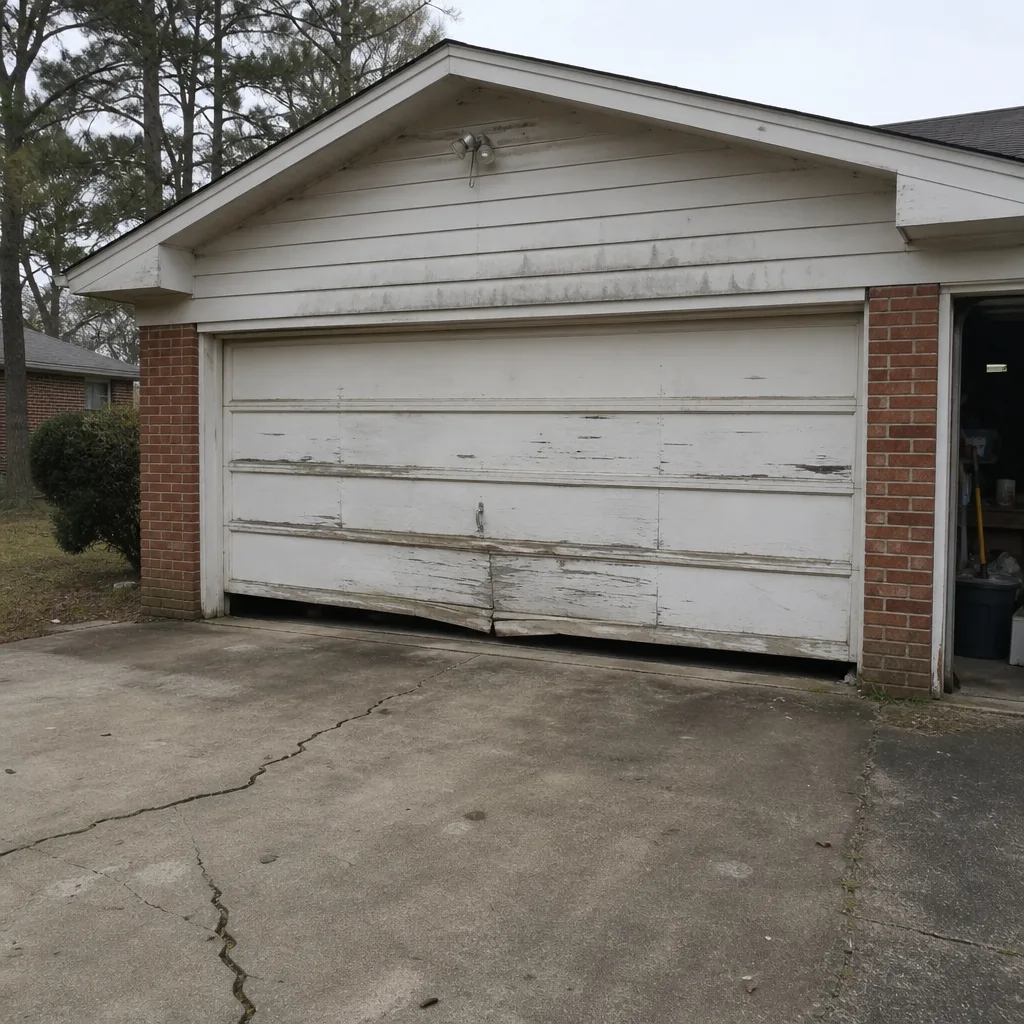 Before
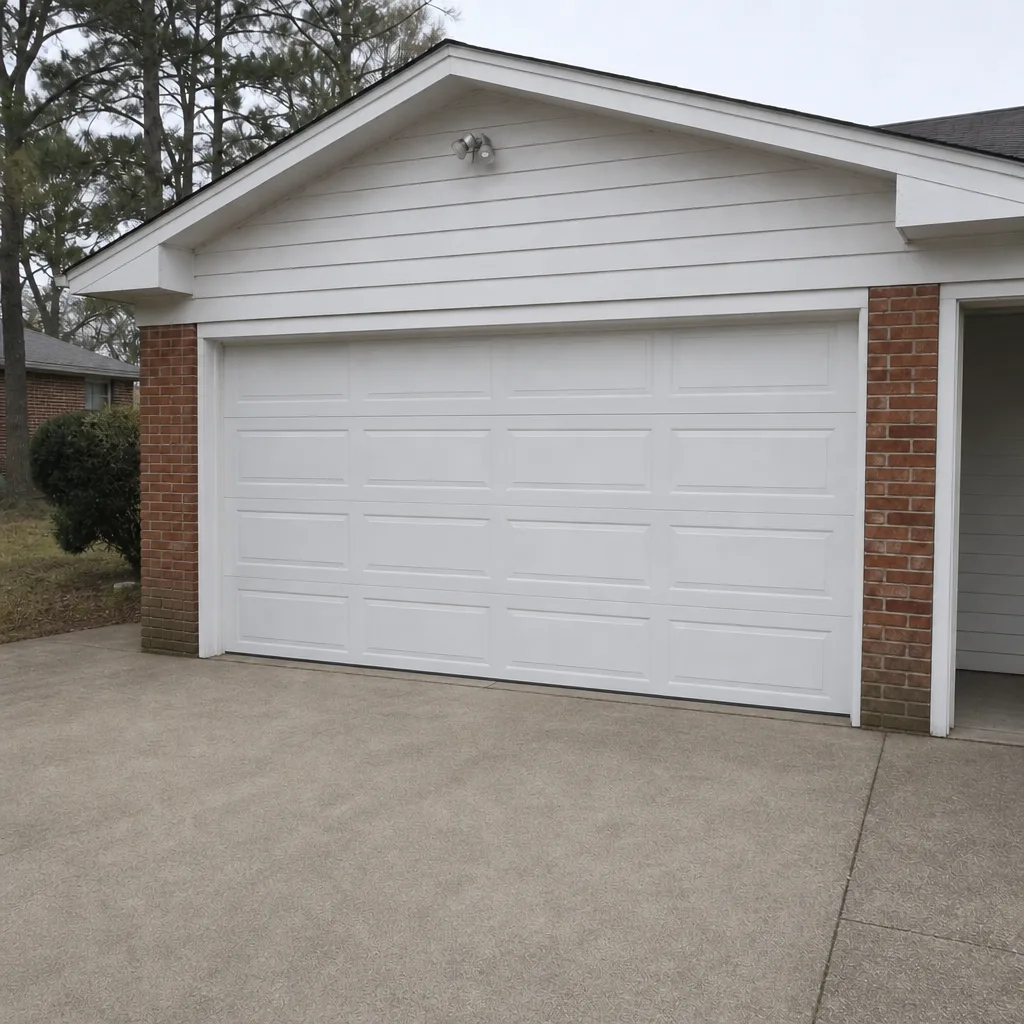 After
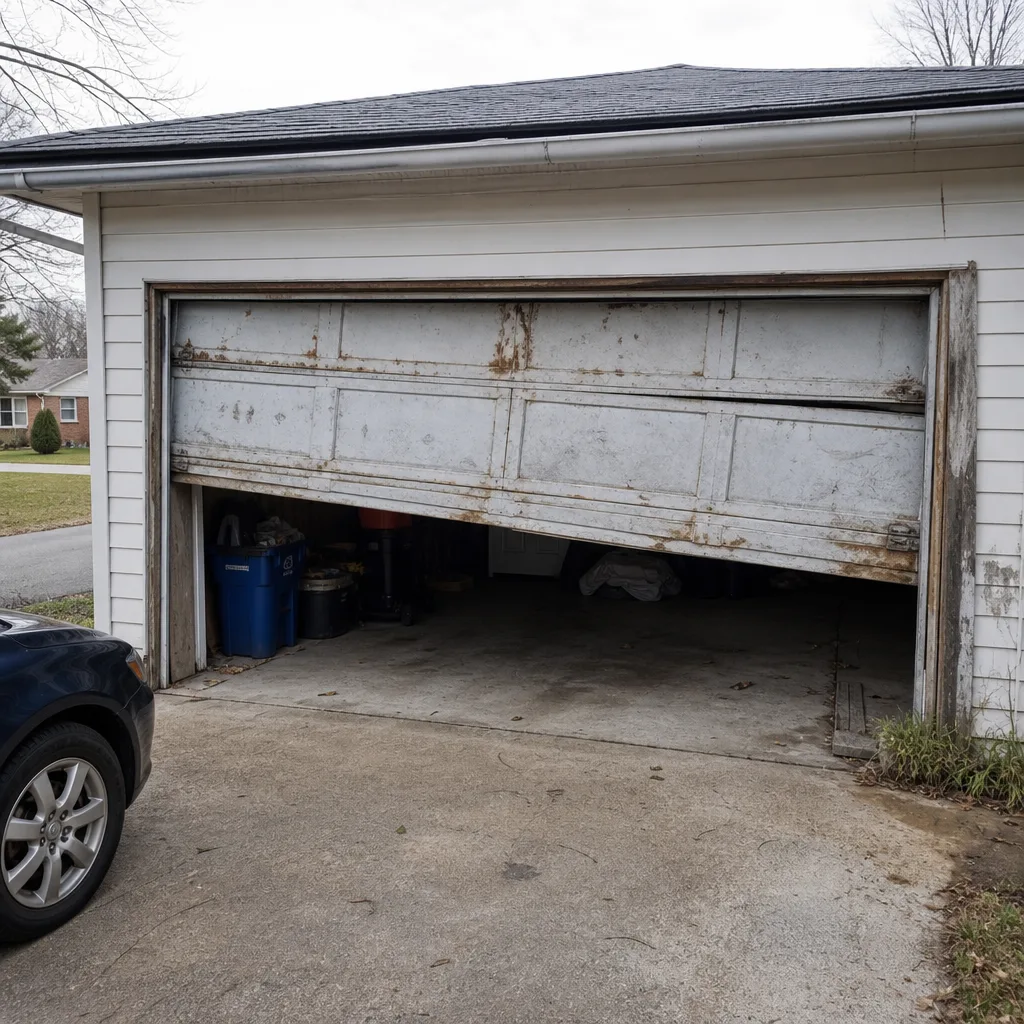 Before
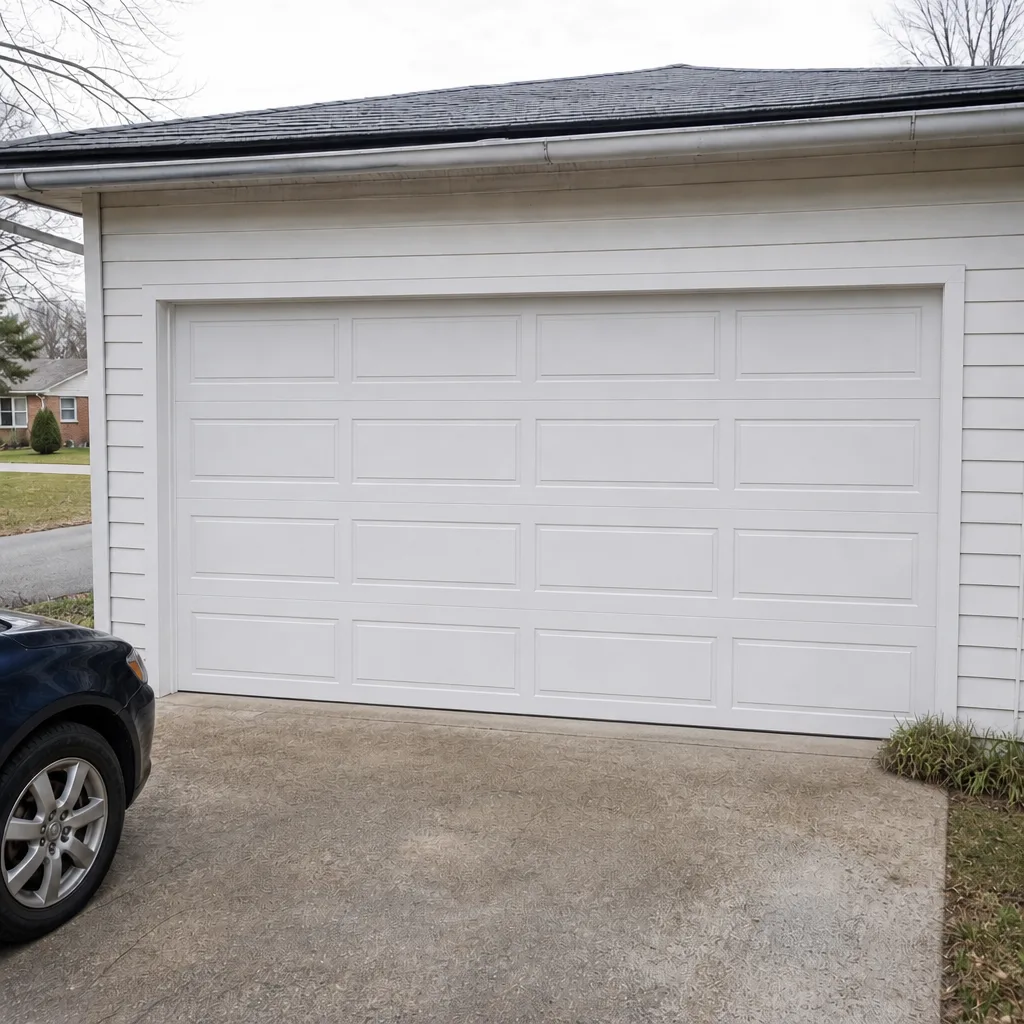 After
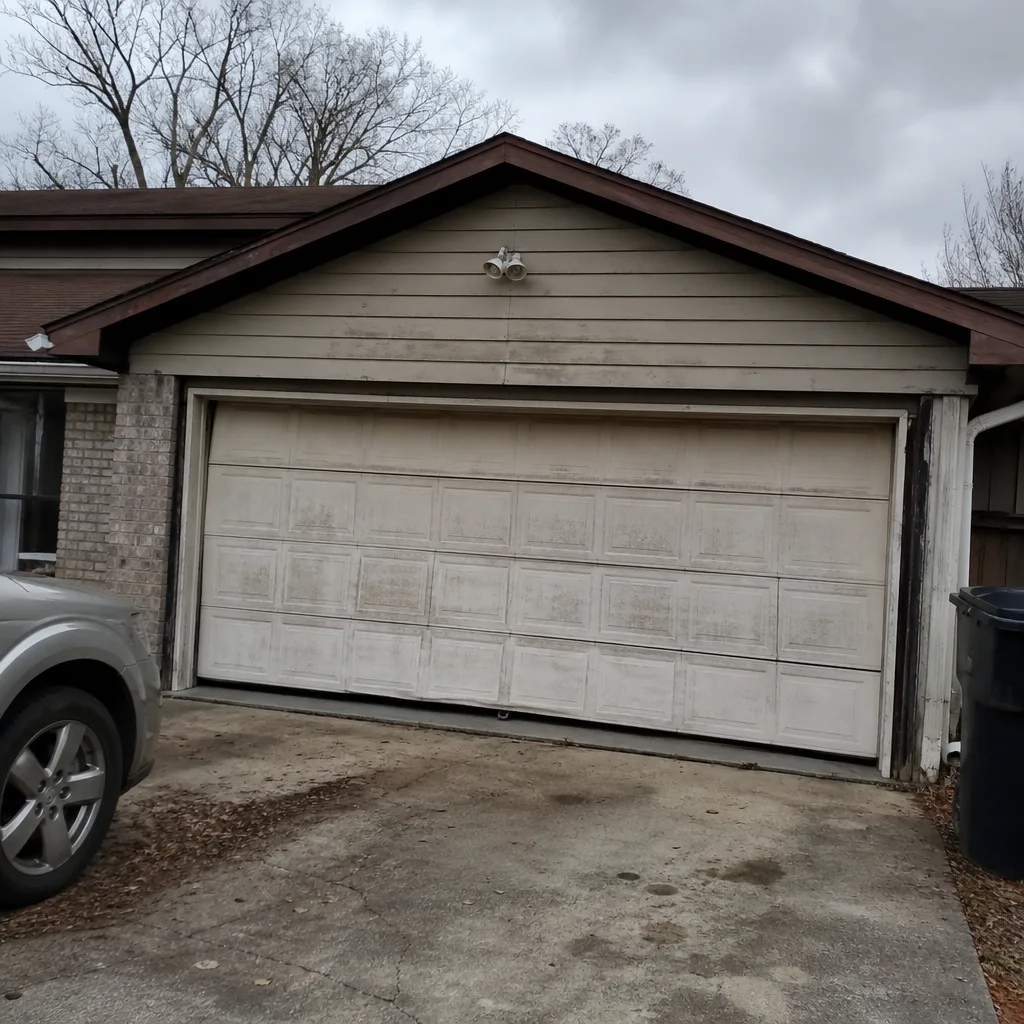 Before
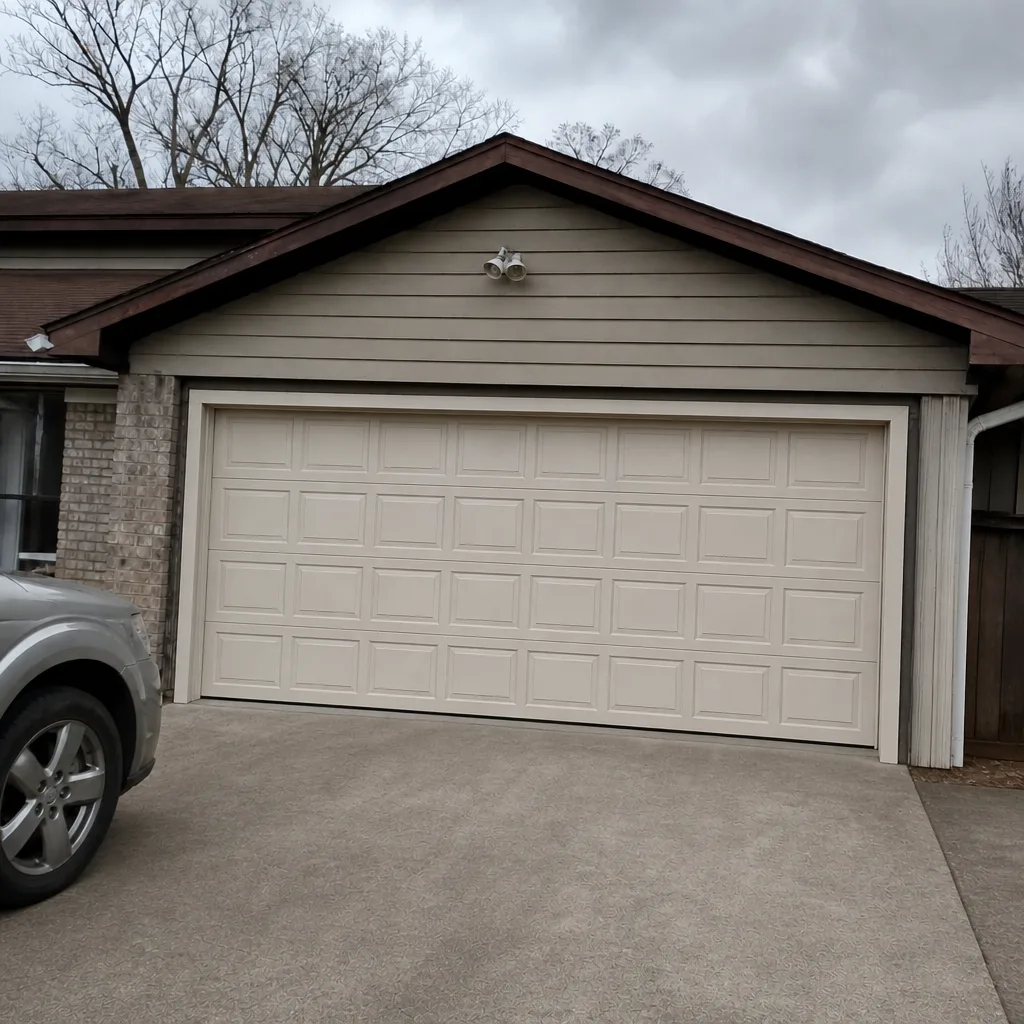 After
When to Call a Professional
Most of the work on a garage door is safe to leave to the routine. The rest should go to a trained professional. Call when a spring or cable looks damaged, when the door binds or will not reverse, when the opener makes grinding or snapping sounds, when a connected opener stops pairing after troubleshooting, or when you need a bottom seal or track repair. Call too when you’re buying or selling a home and the door has unknown history, or when you’re deciding between repair and replacement and want an honest answer. We work without a sales push and tell you what the door actually needs.
Eaton Garage Door Repair offers free estimates in Fayetteville. Call (855) 473-7101. We answer 24/7. Fast dispatch from 7am to 7pm, Sunday through Friday. Every price is written before the work starts, so you know the number before anyone touches the door.
Frequently Asked Questions
Repair costs in Fayetteville depend on what’s wrong and the size of the door, so the honest answer is that the price is per job and set by a written estimate. A bottom seal or track adjustment is at the low end; a spring or opener repair costs more because the hardware and labor are higher. Call (855) 473-7101 for an exact quote. Estimates are free, and the written estimate is the price.
Twice a year is a sensible baseline here. The humid summers and red-clay drainage make the bottom seal, tracks, and cables work harder than in a dry climate. Inspect in spring and fall, and check the seal and reversal mechanism whenever the door starts behaving differently.
The opener can be repaired on its own in most cases, and a sound door does not need to be replaced just because the opener is worn. The reverse is also true: a failing door doesn’t mean the opener is bad. We diagnose each part separately and recommend what fits your system rather than what’s most profitable.
Yes. We give a written estimate before any work starts, and that number is what you pay. We agree the quote with you first, and there are no surprise charges added after the fact. If the job changes after inspection, we talk it through with you before proceeding.
Our technicians are experienced and our work is covered. We’re brand-neutral and focused only on garage doors and openers. If you need specifics, ask when you call and we’ll walk through what applies. We won’t guess at details.
Open and close it once and listen for noise, feel the bottom seal at the slab, look at the tracks for rust, check the springs and cables visually (don’t touch them), note the opener model, and ask for maintenance records. If there are none, treat the history as unknown and get a free estimate before you take ownership. The door is often the oldest untouched system in the house.
A rusty spring is a sign of age and moisture exposure and should be inspected soon. A spring under tension should never be adjusted or removed by a homeowner. If you see rust pits on the spring or fraying on a cable, stop using the door and call a trained professional.
Yes. Connected openers often stop pairing because of Wi-Fi or app issues rather than hardware trouble. MyQ systems pair, un-pair, and re-pair in specific ways, and knowing the model family makes the fix much faster than a generic reset. We work on LiftMaster and Chamberlain systems and can sort out legacy and connected openers alike.
The Bottom Line
The most useful thing you can do for a garage door in Fayetteville is plan around the climate and the house. Humidity and red clay make the bottom seal, tracks, and springs the first things to watch, so a twice-a-year inspection and a clean, dry seal matter more here than in most markets. Match your approach to your home’s build era, judge a door on its own merits in a fast PCS market, and know when repair makes sense versus replacement. Springs and cables belong to a trained professional, always. When you’re ready for an honest answer, call (855) 473-7101 for a free estimate. We answer 24/7. Fast dispatch from 7am to 7pm, Sunday through Friday.
Written by the team at Eaton Garage Door Repair.